Summary
✓Reviewed by James Carter How to start understanding the rules and strategies of basketball is a question asked by thousands of novice players and fans across the Philippines. Basketball is not just a game — it is a language understood...
Table of contents
- 1 Why Understanding Basketball Rules and Strategies is Important
- 2 Brief History: How Basketball Started in the Philippines
- 3 The Basic Structure of the Game: First Step in Understanding
- 3.1 The Scoring System
- 3.2 The Court Size and Important Lines
- 4 Basic Rules Every Beginner Should Know
- 5 The Five Positions in Basketball and Their Roles
- 6 Basic Offensive Strategies to Understand
- 6.1 Fast Break: The Quick Attack
- 6.2 Half-Court Offense: The Organized Attack
- 7 Basic Defensive Strategies
- 8 Differences Between PBA, FIBA, and NBA Rules: A Guide for Filipinos
- 9 How to Start Training: A Guide for Beginners
- 10 Frequently Asked Questions (FAQ)
- 10.1 How many players should be on the court for a team?
- 10.2 What does a traveling violation mean?
- 10.3 What are the differences between FIBA and NBA rules for Filipinos?
- 10.4 How can basketball strategies be learned quickly?
- 10.5 What is basketball IQ and how can it be improved?
- 10.6 How do you know if a shot is a three-pointer or a two-pointer?
- 11 Sources
How to start understanding the rules and strategies of basketball is a question asked by thousands of novice players and fans across the Philippines. Basketball is not just a game — it is a language understood by every Filipino, from the streets of Manila to the provinces of Mindanao. But before you can play with confidence or watch with true understanding, you must first learn the foundation: the rules and strategies that give life to every game.
Why Understanding Basketball Rules and Strategies is Important
For many Filipinos, basketball is part of daily life. According to ESPN, Gilas Pilipinas has been a catalyst for the Philippines’ significant progress on the international basketball stage, placing our country among the top five in Asia. This means: basketball is serious here. It’s not enough to just watch — you need to understand the game to fully appreciate it.
Knowledge of the rules provides the foundation for everything that follows: understanding the coach’s tactics, reading the flow of the game, and becoming a more effective player or fan. At any level — from barangay basketball to the PBA — the game follows consistent basic principles.
Brief History: How Basketball Started in the Philippines
Basketball was introduced to the Philippines at the beginning of the 20th century during the American occupation. Since then, it has become the country’s primary sport. According to Wikipedia — Philippine Basketball Association, the PBA has become one of the oldest professional basketball leagues in the world, establishing its own tradition of rules that combine FIBA and NBA standards. Understanding this history helps beginners understand why there are some differences in the PBA rules compared to the FIBA rules used by Gilas Pilipinas.
The Basic Structure of the Game: First Step in Understanding
The very first thing you need to understand is how a basketball game is structured. Under the FIBA format used by Gilas Pilipinas and many local competitions, the game consists of four quarters of 10 minutes each. The PBA, according to information from Wikipedia — Philippine Basketball Association, uses 12-minute quarters similar to the NBA.
If the score is tied at the end of regulation, a 5-minute overtime is added until a winner emerges. Each team fields five (5) players on the court simultaneously, although the entire roster may have more than ten players.
The Scoring System
One of the easiest parts of basketball to learn is the scoring system. Here are the three types of points:
- 2 points — for a regular field goal from inside the three-point line
- 3 points — for a shot from outside the three-point line, which is 6.75 meters from the basket in FIBA
- 1 point — for each successful free throw after a foul
The Court Size and Important Lines
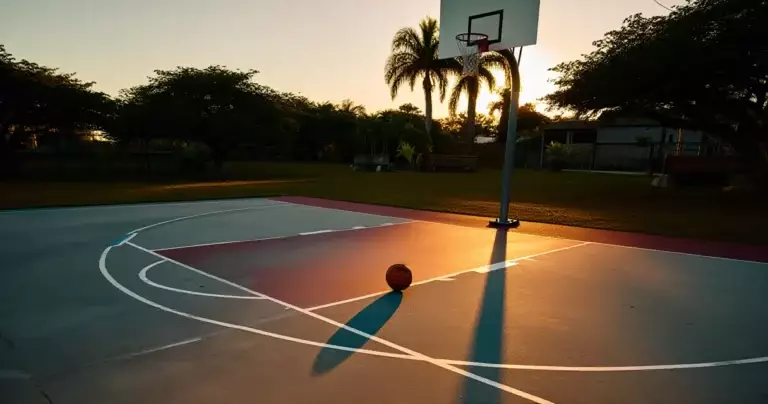
The FIBA court measures 28 meters long and 15 meters wide. The three-point line is 6.75 meters away from the basket. These lines are not just decorations — each comes with rules that every player and fan must understand.
“You cannot be a good basketball fan if you do not understand the rules — and you cannot be a good player if you do not understand the strategy behind each rule.”
Basic Rules Every Beginner Should Know
How to start understanding the rules and strategies of basketball begins with recognizing the most common violations. According to information from Polytechnic University of the Philippines — Basketball Mechanics, basketball rules may slightly vary depending on the level of play, but the basic principles remain consistent.
| Type of Violation | Definition | Result |
|---|---|---|
| Traveling | Walking more than two steps without dribbling | Ball turnover to the opposing team |
| Double Dribble | Dribbling, stopping, and dribbling again | Ball turnover to the opposing team |
| Shot Clock Violation | Failure to shoot within 24 seconds | Ball turnover to the opposing team |
| Personal Foul | Illegal physical contact with an opponent | Free throws or ball possession |
| Technical Foul | Violation of the spirit of the game or unsportsmanlike conduct | Free throws to the opposing team |
| Out of Bounds | The ball or player goes beyond the court line | Ball to the opposing team |
The Five Positions in Basketball and Their Roles
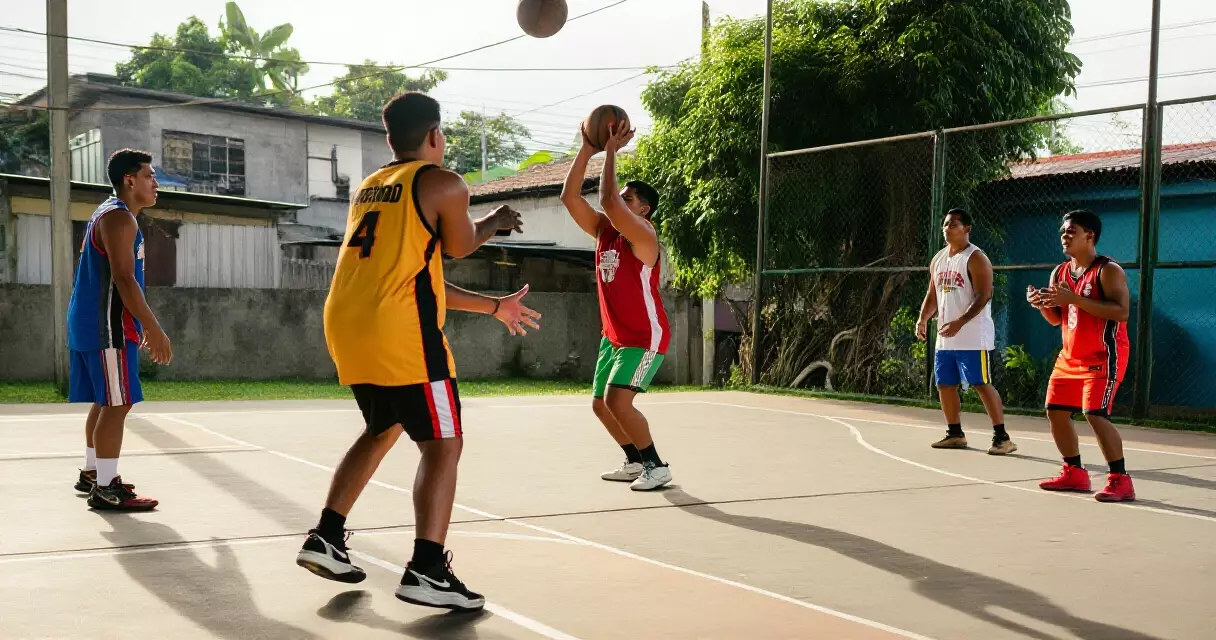
One of the fundamental parts of basketball strategy is understanding the five positions. Each position has a unique role within the team’s system:
- Point Guard (1) — the team’s “quarterback”; responsible for organizing the offense and setting up plays
- Shooting Guard (2) — usually the best shooter; creates scoring opportunities from the perimeter
- Small Forward (3) — a versatile position; can score from inside and outside, and also needs to defend
- Power Forward (4) — closer to the basket; responsible for rebounding and interior scoring
- Center (5) — usually the tallest; leads defense in the paint area and in rebounding
Basic Offensive Strategies to Understand
How to start understanding the rules and strategies of basketball is incomplete without exploring basic offensive tactics. According to basketball education materials available from City College of San Jose del Monte — Physical Education, the basic strategies teach players how to create effective scoring opportunities.
Fast Break: The Quick Attack
The fast break is one of the most exciting parts of basketball. It occurs when a team gains possession of the ball (from a rebound, steal, or turnover) and quickly attacks before the opponent’s defense can set up. The goal is to create a numerical advantage — for example, 3 against 2, or 2 against 1. Both the PBA and NBA are known for this fast transition game.
Half-Court Offense: The Organized Attack
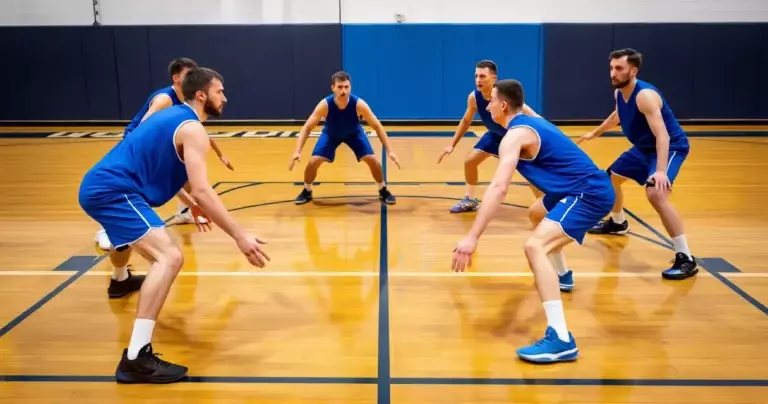
When a fast break is not possible, teams use a half-court offense. Here, the point is to create effective opportunities through set plays, screens, and ball movement. A good half-court offense requires:
- Spacing — players should be spread out on the court to make it difficult for the defense to cover
- Ball movement — continuous passing of the ball to tire out the defense
- Screen setting — setting picks to free up teammates
- Off-ball movement — running without the ball to create space
Basic Defensive Strategies
Defense is as important as offense in basketball. For those starting to understand the rules and strategies, knowing the two main defensive systems is crucial:
| Type of Defense | Explanation | Advantage | Disadvantage |
|---|---|---|---|
| Man-to-Man Defense | Each player guards a specific opponent | Clear responsibilities; good against isolation plays | Challenging against quick cuts and screens |
| Zone Defense | Players guard areas, not people | Protects the paint area; good against athletic teams | Weak against quick ball movement and three-point shooting |
Differences Between PBA, FIBA, and NBA Rules: A Guide for Filipinos
One of the most confusing aspects for Filipino beginners is the difference in rules across various leagues. According to Wikipedia — Philippine Basketball Association, the PBA uses a mixed system: the 12-minute quarter is from the NBA, while the 6.75-meter three-point line is from FIBA. Gilas Pilipinas, as part of international competition, follows the full FIBA rulebook — including 10-minute quarters. For a Filipino fan watching both PBA and Gilas games, understanding this difference is important to avoid confusion over timeouts, foul limits, and other details.
“Understanding the differences between PBA, FIBA, and NBA rules is not a complication — it is an advantage. A Filipino player who knows all three is prepared for any level of competition.”
How to Start Training: A Guide for Beginners
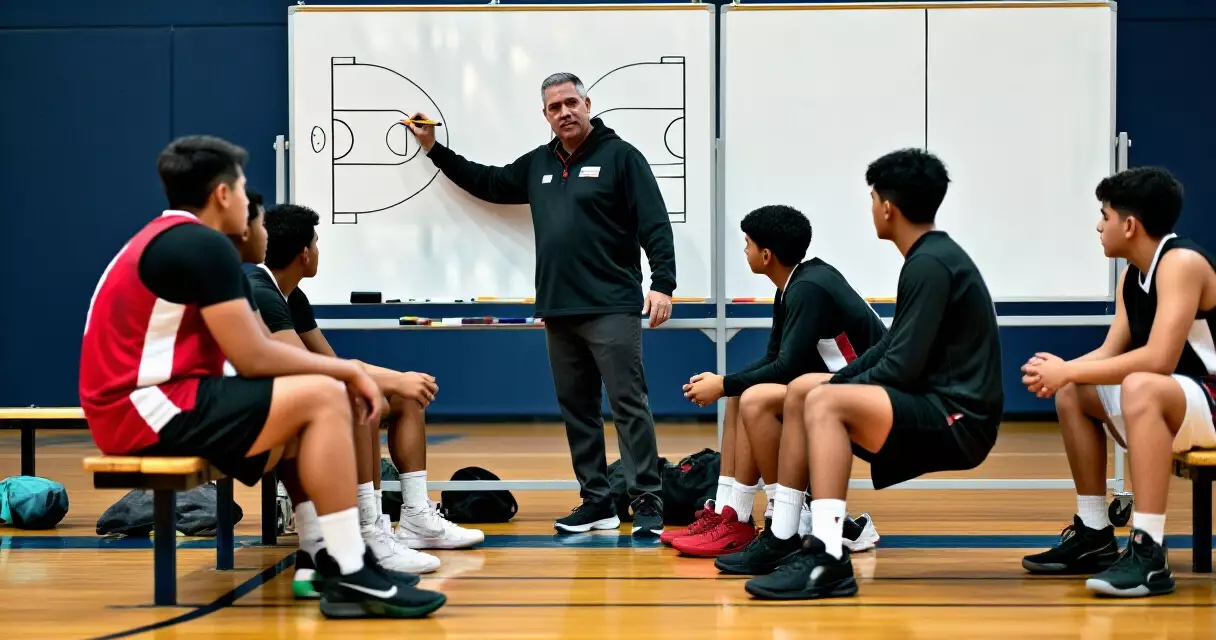
Based on information from LevelUp Basketball, improving in basketball relies on practicing the right skills with a plan and receiving honest feedback. For beginners, the following sequence is recommended:
- Learn the rules first — before stepping onto the court, make sure you know the basic violations and scoring system
- Strengthen dribbling — ball handling is the most important skill for all positions
- Learn the correct shooting form (BEEF) — Balance, Eyes, Elbow, Follow-through
- Learn the layup — the easiest way to score near the basket
- Learn the defensive stance — the correct body position in defense
- Watch games and analyze — game film analysis is used by professional coaches to improve their players’ game IQ
Frequently Asked Questions (FAQ)
How many players should be on the court for a team?
Each team has five players who can be on the court simultaneously in a regular basketball game. This is the same at all levels — FIBA, NBA, PBA, UAAP, and local games. A team’s full roster typically has 10 to 15 players, but only 5 are active on the court at any given time.
What does a traveling violation mean?
Traveling occurs when a player walks or runs with the ball without dribbling. Under FIBA and PBA rules, a player is allowed to take up to two steps after stopping dribbling before shooting or passing. If they take three or more steps, it is traveling and the ball is given to the opposing team.
What are the differences between FIBA and NBA rules for Filipinos?
The most significant difference is the length of quarters: 10 minutes in FIBA compared to 12 minutes in the NBA. The PBA follows the 12-minute quarter like the NBA. The three-point line is 6.75 meters in FIBA and 7.24 meters in the NBA (6.70 m in the corners). There are also differences in the number of time-outs and some foul rules. For Filipino fans, FIBA rules are more important because they are used by Gilas Pilipinas in international competitions.
How can basketball strategies be learned quickly?
The quickest way is to combine three things: first, regularly watch games (PBA, UAAP, or NBA) while actively reading the flow of the game; second, listen to commentary from analysts and coaches explaining tactics; and third, actually play on the court even in an informal setting. Game film — the analysis of recorded games — is used by professional coaches to speed up players’ understanding.
What is basketball IQ and how can it be improved?
Basketball IQ is the ability to read the game — knowing where to go, when to pass, and how to use positioning without thinking too long. It can be improved by actively watching games, studying set plays, listening to coaches’ explanations, and regularly playing with teammates who are better than you. Basketball IQ is not innate — it is learned gradually through experience and study.
How do you know if a shot is a three-pointer or a two-pointer?
It is determined by the player’s foot position before jumping — not where they land. If both feet are behind the three-point arc before jumping, the successful shot is worth three points. If any foot is inside the arc or on the line itself, it is only worth two points. The referee observes the foot position before the jump.
Sources
- Wikipedia — Philippine Basketball Association (Tagalog) — retrieved on August 14, 2026
- ESPN — Timeline of Gilas Pilipinas Program — retrieved on August 14, 2026
- Polytechnic University of the Philippines — Basketball Mechanics — retrieved on August 14, 2026
- City College of San Jose del Monte — Rules for Basketball League — retrieved on August 14, 2026
- LevelUp Basketball — How to Get Better at Basketball — retrieved on August 14, 2026