
Summary
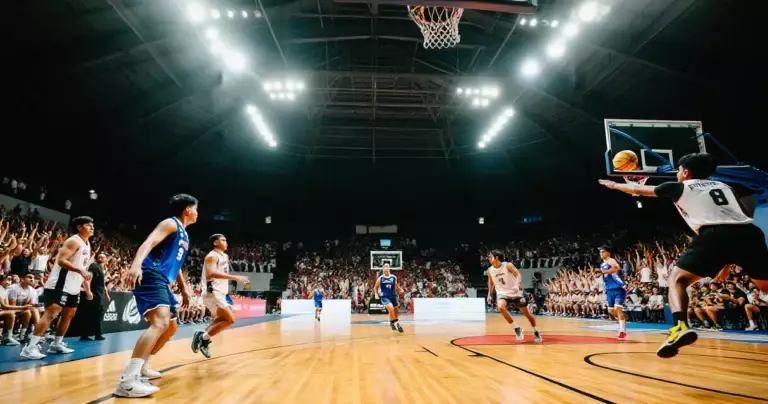
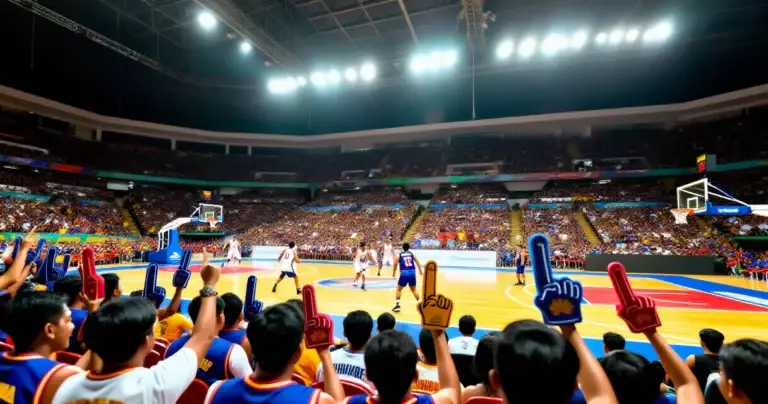
✓Reviewed by James CarterIn the current 2025–26 PBA season, the shift in playing style within the league is clearly visible. The PBA 2026 trends – fast-paced play, small-ball, and three-point shooting – are no longer just experiments by a few...
Table of contents
- 1 Why Is the Playing Style Changing in PBA 2026?
- 2 The PBA 2026 Hybrid Rules Package
- 2.1 Retained PBA Rules
- 2.2 Rules Adopted from FIBA
- 3 History of Tactical Evolution in the PBA
- 4 PBA 2026 Trends: Fast-Paced Play and Game Tempo
- 5 Small-Ball Lineups: The New Normal in the PBA
- 5.1 How Small-Ball Works in the PBA Context
- 6 Three-Point Shooting: The Most Important Weapon in the League
- 7 Comparison: Traditional vs. Modern PBA Playing Style
- 8 NBA and FIBA Influence on PBA 2026 Trends
- 9 Impact of New PBA Rules on Three-Point Shooting and Small-Ball
- 10 Teams and Coaches Leading This Trend
- 11 What Does This Mean for the Future of the PBA?
- 12 Frequently Asked Questions (FAQ)
- 12.1 Why is the game becoming faster in PBA 2026?
- 12.2 What is a small-ball lineup in the PBA context?
- 12.3 Is the four-point line still in place in the PBA?
- 12.4 How does FIBA alignment affect PBA playing style?
- 12.5 Which PBA teams benefit most from the small-ball trend?
- 12.6 Where can I find official PBA shooting statistics?
- 13 Sources
In the current 2025–26 PBA season, the shift in playing style within the league is clearly visible. The PBA 2026 trends – fast-paced play, small-ball, and three-point shooting – are no longer just experiments by a few teams but a widespread change in the tactical approach of the entire league. According to the Philippine Star, the PBA ratified the hybrid rules package in June 2026, which further accelerates the flow of the game and encourages perimeter-based basketball.
Why Is the Playing Style Changing in PBA 2026?
The PBA 2026 trend toward fast-paced play and small-ball didn’t happen overnight. It is the product of a long modernization process that began when the league first introduced the four-point line and continued aligning with FIBA standards. According to the Tribune, PBA Commissioner Willie Marcial announced in June 2026 that the league would implement FIBA-style rules for situational fouls, picks, and possession resets.
The goal is simple: make the game more continuous and reduce dead-ball situations that force lengthy stoppages. With fewer interruptions, the pace of each game increases, and teams built for speed and versatility gain a greater advantage.
The PBA 2026 Hybrid Rules Package
One of the most important changes this season is the so-called hybrid rules package. According to the Philippine Star on July 10, 2026, the PBA combined FIBA-standard rules with traditional PBA regulations.
Retained PBA Rules
Not everything was changed. The league retained several of its signature features: 12-minute quarters (longer than the FIBA standard of 10 minutes), the four-point shot, six personal fouls before disqualification, and five team fouls before the penalty. Retaining the four-point line is particularly important to the three-point shooting trend because it encourages players to attempt longer-range shots.
Rules Adopted from FIBA
The biggest FIBA-inspired change is the switch to the possession arrow system. Instead of repeated jump balls, alternating possession is now automatically used after the opening tip-off. Additionally, there is a unified treatment of unsportsmanlike fouls and FIBA-style penalty rules in the final two minutes of each quarter.
History of Tactical Evolution in the PBA
Changes in playing style are nothing new in the PBA. Since the league was established in 1975, it has gone through various eras: from the physical, bruising basketball of the 1980s and 1990s, to the gradual acceptance of the perimeter game in the 2010s when the four-point line was introduced. According to Wikipedia, the 2025–26 season represents the league’s most aggressive step toward FIBA alignment, showing that modernization is no longer optional but necessary.
PBA 2026 Trends: Fast-Paced Play and Game Tempo
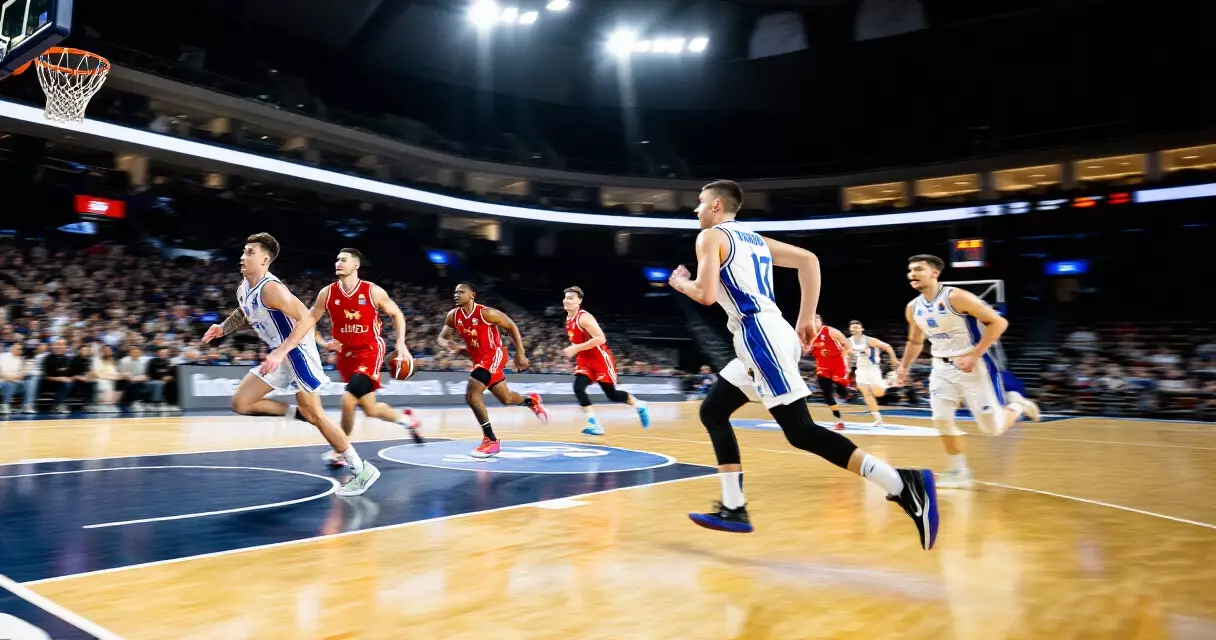
Fast-paced play is one of the most visible trends in PBA 2026. With each rule change, the pace of games continues to rise. The elimination of jump balls, shortened review procedures, and clearer foul definitions provide more time for actual gameplay rather than stoppages.
Teams are now more focused on transition offense. Instead of setting up half-court plays after every rebound, the ball is pushed up the court immediately to find quick scoring opportunities. This approach benefits younger, more athletic rosters that can run continuously throughout 12-minute quarters.
The PBA is no longer a league of slow half-court sets. Teams that can’t run are running out of answers against squads built for speed.
Teams like the San Miguel Beermen and Barangay Ginebra, which traditionally relied on dominant big men, are being forced to adjust. Even traditional powerhouses need to add perimeter players who can shoot and run in transition to remain competitive. The top players in the 2026 PBA Commissioner’s Cup are showcasing this kind of versatility.
Small-Ball Lineups: The New Normal in the PBA
Small-ball, where a team deploys smaller but faster lineups, is quickly becoming the standard in PBA 2026. Instead of fielding two traditional big men, many teams are now deploying stretch fours or versatile wings who can rebound and shoot threes.
How Small-Ball Works in the PBA Context
In the PBA context, small-ball doesn’t mean there are no more big players. It means that even big men need to have perimeter skills. Centers who can shoot three-pointers and handle the ball are more valuable than pure post players limited to the paint area. This trend connects to how rosters are built, especially after the assembly of the Gilas Pilipinas roster for the 2026 FIBA Qualifiers, where versatility was the primary criteria.
According to data from the PBA official stats portal, there has been a noticeable increase in three-point attempts from power forward and center positions. Players in big-man slots are no longer limited to low-post scoring; many are now contributing threes from beyond the arc.
Three-Point Shooting: The Most Important Weapon in the League
No other aspect of the game has changed as dramatically as three-point shooting in PBA 2026. Retaining the four-point line adds another dimension not found in most other leagues worldwide. The result: outside shooting has become even more premium in roster construction and game planning.
According to the PBA team stats page, teams are now allocating a larger share of their total field goal attempts to three-point range compared to previous seasons. This shift isn’t just about shooting volume but also about shot selection discipline.
Comparison: Traditional vs. Modern PBA Playing Style
To better understand the extent of the changes, here is a comparison of the traditional and modern approaches in the PBA:
| Aspect | Traditional PBA | Modern PBA 2026 |
|---|---|---|
| Primary offense | Post-up, half-court set plays | Transition, motion offense, perimeter-based |
| Lineup composition | 2 traditional big men | 1 big man + stretch 4 or small-ball 5 |
| Three-point usage | Secondary option | Primary weapon in the game plan |
| Pace | Slow, controlled | Fast, transition-heavy |
| Big man role | Paint scorer and rebounder | Stretch shooter, passer, and floor spacer |
NBA and FIBA Influence on PBA 2026 Trends
It’s undeniable that the PBA is influenced by two major forces: the NBA and FIBA. The NBA pioneered the global small-ball revolution, and the success of teams like the Golden State Warriors using a three-point-heavy offense inspired PBA coaches to try similar systems.
On the other hand, the PBA’s direct alignment with FIBA rules has a practical reason: Gilas Pilipinas competes in FIBA competitions, and having players familiar with FIBA-style basketball helps the national team program. As seen in the preview of Gilas Pilipinas vs New Zealand for the 2026 FIBA qualifiers, players accustomed to FIBA rules are better prepared for international competition.
Impact of New PBA Rules on Three-Point Shooting and Small-Ball
Each rule change in 2026 has a direct connection to the three main trends. Here is the breakdown:
| Rule Change | Impact on Pace | Impact on Small-Ball / Shooting |
|---|---|---|
| Possession arrow (jump ball eliminated) | Faster game restarts | Height advantage for jump balls no longer needed |
| Unified unsportsmanlike foul treatment | Less ambiguity, faster decisions | More predictable flow for perimeter teams |
| FIBA-style final 2-minute penalties | More structured endgame | Premium on clutch shooters |
| Retained four-point line | Neutral on pace | Further increases the value of deep shooters |
| Simplified review procedures | Faster reviews, fewer stoppages | More continuous rhythm for perimeter shooters |
The PBA’s four-point line is not just a gimmick; it is a strategic tool that forces defenses to extend and opens up more space for small-ball lineups.
Teams and Coaches Leading This Trend
Under the leadership of Commissioner Willie Marcial, the PBA itself is driving modernization at the league level. But on the court, head coaches are the ones implementing the tactical shift. Coaches who know how to adjust to fast-paced play and maximize three-point shooting are succeeding in the current landscape.
Teams that invested early in shooting development and versatile roster construction are gaining a competitive advantage. Meanwhile, squads that remain committed to the traditional bruising, post-heavy style are struggling to keep up with the league’s new pace.
What Does This Mean for the Future of the PBA?
The PBA 2026 trends – fast-paced play, small-ball, and three-point shooting – are not just passing fads. They are part of a broader evolution of basketball worldwide. As the league continues to move toward FIBA alignment and as the influence of modern NBA-style basketball grows, these trends are expected to intensify in the coming seasons.
For fans, this means more exciting and faster games. For teams, it means the need to continuously evolve their rosters and systems. And for Gilas Pilipinas, the familiarity of PBA players with FIBA-style rules is a significant advantage in international competitions.
Frequently Asked Questions (FAQ)
Why is the game becoming faster in PBA 2026?
The faster pace of play is the result of several rule changes, including the elimination of jump balls in favor of the possession arrow, simplified review procedures, and unified foul definitions. These changes reduce dead time and increase actual playing time in each game.
What is a small-ball lineup in the PBA context?
In the PBA, small-ball means using smaller but more versatile players, often with a stretch four or wing player replacing the traditional second big man. The goal is a faster pace, better floor spacing, and more three-point shooting opportunities.
Is the four-point line still in place in the PBA?
Yes. According to the Philippine Star, the PBA retained the four-point line as part of the hybrid rules package in 2026. It is one of the league’s unique features not found in the NBA or FIBA.
How does FIBA alignment affect PBA playing style?
Adopting FIBA-style rules such as the possession arrow and updated foul definitions speeds up the flow of the game. It reduces stoppages and provides a more continuous rhythm, which favors teams that play fast transition basketball.
Which PBA teams benefit most from the small-ball trend?
Teams with deep rosters of versatile players and many capable three-point shooters benefit the most. Teams that invested early in shooting development and athletic, multi-positional players are in a better position in the current tactical landscape.
Where can I find official PBA shooting statistics?
The official PBA stats portal and the PBA team stats page are the most reliable sources for player and team shooting data, including three-point attempts, three-point percentage, and other advanced metrics.
Sources
- PBA adopts new rules, format – Philippine Star – retrieved September 9, 2026
- PBA unveils hybrid rules – Philippine Star – retrieved September 9, 2026
- PBA aligns rules with FIBA – Tribune – retrieved September 9, 2026
- 2025–26 PBA season – Wikipedia – retrieved September 9, 2026
- PBA Official Stats Portal – retrieved September 9, 2026
- PBA Team Statistics – retrieved September 9, 2026
- PBA aspirants with live contracts no longer allowed to join draft – Manila Bulletin – retrieved September 9, 2026