
Summary
For over four decades, Ang Pahayagang Plaridel has remained one of the most renowned campus publications in the Philippines, and its sports section, iSports, represents a unique pillar of Filipino collegiate sports journalism. In an era where every point, every...
Table of contents
- 1 What is Plaridel iSports and Why It Matters
- 2 Brief History of Ang Pahayagang Plaridel
- 3 The Scope of iSports: Collegiate Sports at the Center
- 4 Plaridel iSports as a Pillar of Campus Sports Journalism
- 4.1 Training the Next Generation of Sports Journalists
- 4.2 Filipino-Language Sports Reporting
- 5 The Role of iSports in the Broader Philippine Sports Media Landscape
- 6 Comparing Local and National Sports Publications in the Philippines
- 7 Characteristics of Excellent Campus Sports Journalism
- 8 Examples of iSports Coverage: The Filoil EcoOil Preseason Cup
- 9 Trends in Philippine Campus Sports Journalism in 2026
- 10 Frequently Asked Questions about Plaridel iSports
- 10.1 What is Plaridel iSports?
- 10.2 Where can iSports be found?
- 10.3 What sports does iSports cover?
- 10.4 Who works at iSports?
- 10.5 Are iSports articles free to read?
- 10.6 How does iSports differ from other sports publications?
- 11 Summary: The Value of iSports in Filipino Sports Journalism
- 12 References
For over four decades, Ang Pahayagang Plaridel has remained one of the most renowned campus publications in the Philippines, and its sports section, iSports, represents a unique pillar of Filipino collegiate sports journalism. In an era where every point, every result, and every athlete’s story requires swift and accurate reporting, iSports continues to serve as the voice of Lasallians and the broader collegiate sports community in Metro Manila.
What is Plaridel iSports and Why It Matters
The iSports is the dedicated sports vertical of Ang Pahayagang Plaridel, the official student publication of De La Salle University (DLSU) on Taft Avenue, Manila. It is not just a sports blog — it is an organized news desk with its own beat reporters, editors, and editorial standards that meet the needs of a Lasallian and the broader intercollegiate sports audience. Every article released by iSports undergoes the process of campus journalism: from newsgathering and fact-checking to final editing and publication on plaridel.ph.
According to the LinkedIn profile of Ang Pahayagang Plaridel, this publication was founded in 1984 and remains a nonprofit organization with 51 to 200 members currently. Its mission is to raise awareness among Lasallians by discussing campus and social issues — and sports is an essential part of campus life that cannot be ignored.
Brief History of Ang Pahayagang Plaridel
Ang Pahayagang Plaridel started in 1984, a time when campus journalism in the Philippines was undergoing significant changes after the martial law era. The publication was founded in response to the Lasallians’ need for an independent voice within the university — a medium that would discuss not only academics but also sports, culture, and society. Over more than four decades, it has grown from a simple newspaper into a multi-platform publication with a presence on the web, social media, and print. The iSports section is part of this growth, serving as a space for student sports journalists to practice real newsroom workflow.
The Scope of iSports: Collegiate Sports at the Center
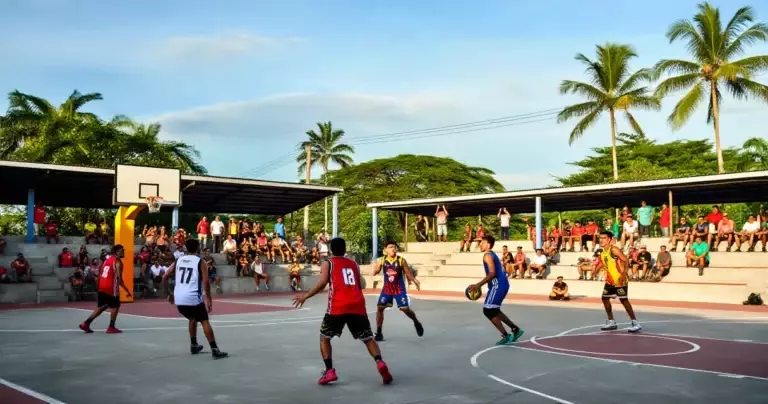
The primary coverage of Plaridel iSports is the intercollegiate and campus sports ecosystem of Metro Manila, with a special focus on matches and tournaments related to DLSU. This includes the following categories of coverage:
- UAAP and NCAA college basketball games and results
- Pre-season tournaments like the Filoil EcoOil Preseason Cup
- Intercollegiate volleyball, swimming, and track and field
- News about DLSU athletes and teams
- Human-interest stories about student-athletes
- Campus intramurals and school-level sports events
An example of coverage found in iSports includes detailed game recaps — such as the report on the clash between the DLSU Green Archers and UP Fighting Maroons, 106–99, in the 18th Filoil EcoOil Preseason Cup at the FilOil EcoOil Centre. This type of coverage shows that iSports does not just record scores: it provides context, tells the story behind the numbers, and gives voice to athletes and teams often overlooked in national media.
Plaridel iSports as a Pillar of Campus Sports Journalism
Training the Next Generation of Sports Journalists
One of the most significant roles of iSports is being a training ground for student sports journalists. Within the newsroom of Ang Pahayagang Plaridel, young writers learn how to report sports events with accuracy, speed, and integrity. Those who start in campus publications like this often become professional sports journalists in the country’s leading media organizations. This talent pipeline is critical to the long-term health of the Filipino sports media ecosystem.
Filipino-Language Sports Reporting
The use of Filipino as the primary language in iSports is a clear editorial choice with deep significance. In a country where sports audiences are united by the Filipino language, publishing sports coverage in Filipino expands accessibility and strengthens the connection between readers and the stories published. Compared to English-only coverage, Filipino-language sports journalism reaches a broader audience, from students to parents and alumni following their team.
Campus sports journalism is not just about narrating results — it is about giving voice to athletes and communities often unseen by national media.
The Role of iSports in the Broader Philippine Sports Media Landscape
To fully understand the importance of Plaridel iSports, it must be placed in the context of the broader Philippine sports journalism landscape. Based on observations by the Reuters Institute for the Study of Journalism, digital-first publishing is the dominant model in contemporary newsrooms worldwide — and campus publications like Plaridel are no exception to this trend. The shift to web-based content, along with an active presence on social media, allows iSports to reach a larger audience than ever before.
Local and campus publications have a unique advantage: proximity and community identity. While national sports media focus on championships and professional leagues, iSports provides coverage closer to the heart of Lasallians — their classmates and fellow students wearing green-and-white. For those following Philippine sports, it is important to study both national and local media to get the complete picture. You can head to our guide on the top players in the 2026 PBA Commissioner’s Cup for a broader context of Philippine basketball today.
Comparing Local and National Sports Publications in the Philippines
To better understand the position of Plaridel iSports in the sports media ecosystem, here is a comparison of different types of sports publications in the Philippines:
| Type of Publication | Coverage | Target Audience | Language |
|---|---|---|---|
| Campus Sports Desk (like iSports) | Collegiate and interschool events | Students, alumni, campus community | Filipino / English |
| National Sports Media (TV, digital) | PBA, UAAP, NBA, international | General sports audience | Filipino / English |
| Regional/Provincial Sports Desk | Local and provincial matches | Provincial readers | Primarily Filipino |
| Sports-specific Digital Sites | Niche sports (boxing, volleyball, etc.) | Dedicated sports fans | Filipino / English |
Characteristics of Excellent Campus Sports Journalism
Plaridel iSports, as a leading example of campus sports journalism, possesses several key characteristics that distinguish the quality of their reporting. Here are the standards to look for in any campus sports publication:
- Data Accuracy — Every point, rebound, and statistic must be correct and verified before publication.
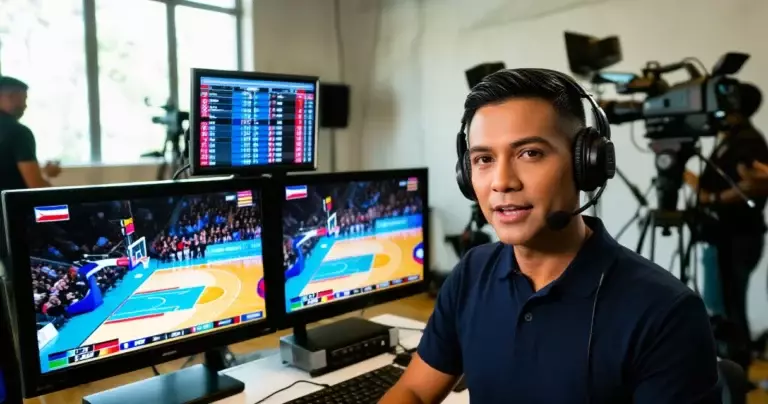
- Speed of reporting — Game recaps are released within hours after the match.
- Context and analysis — Not just recording results but explaining why things happened.
- Human-interest angle — Stories behind the athletes provide depth to a simple scorecard.
- Filipino-language accessibility — Ensuring content is understandable to all Filipinos, not just the English-proficient.
Examples of iSports Coverage: The Filoil EcoOil Preseason Cup
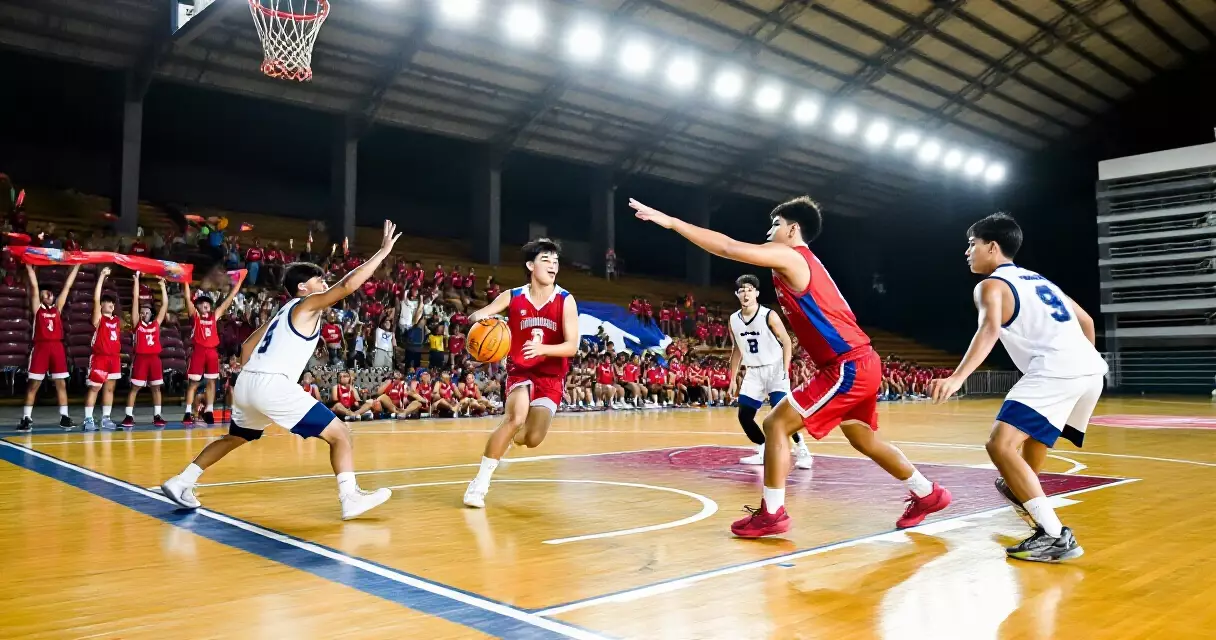
One of the best examples of Plaridel iSports coverage is their reporting on the Filoil EcoOil Preseason Cup — the annual pre-season collegiate basketball tournament held before the official UAAP season begins. In the mentioned match between the DLSU Green Archers and UP Fighting Maroons, iSports demonstrated how to narrate a high-level competition: statistics are clear, each game change is contextualized, and players and teams have a voice.
This type of coverage not only serves the current reader — it serves as an archive of the history of collegiate sports in the Philippines. In the coming years, iSports articles will be valuable references for researchers, players, and fans seeking records of past matches and results. For a more detailed discussion of the status of collegiate sports in the Philippines, we recommend our article on PBA vs. UAAP to see the broader picture of basketball in the country.
Trends in Philippine Campus Sports Journalism in 2026
Currently, campus sports journalism in the Philippines is undergoing several significant changes. Based on observations by media studies experts, including studies published by the Reuters Institute, here are the key trends shaping the field:
| Trend | Impact on Campus Sports Coverage | Example |
|---|---|---|
| Digital-first publishing | Faster reporting, wider reach | Web-first game recaps on plaridel.ph |
| Social media distribution | More effective sharing on Facebook, X | Viral campus sports clips and infographics |
| Multimedia storytelling | Photo galleries, embedded video, short-form content | Video interviews of athletes after matches |
| Community identity reporting | Deeper connection with the campus audience | Human-interest profiles of student-athletes |
| Filipino-language content | More accessible to a broader audience | Filipino-language game recaps and analysis |
In the world of digital media, campus publications like Plaridel iSports are becoming more important — not less — because they provide localized, community-specific sports journalism that large national outlets cannot.
Frequently Asked Questions about Plaridel iSports
What is Plaridel iSports?
Plaridel iSports is the sports section of Ang Pahayagang Plaridel, the official campus publication of De La Salle University. It publishes Filipino-language sports news, game recaps, and features about collegiate and campus sports events related to DLSU and the broader intercollegiate sports community.
Where can iSports be found?
iSports is available online on the official website of Ang Pahayagang Plaridel at plaridel.ph. Articles are regularly updated and accessible to anyone with an internet connection. They also have a presence on various social media platforms for faster news dissemination.
What sports does iSports cover?
Primarily, iSports focuses on collegiate sports related to DLSU and rival universities. This includes basketball (UAAP, NCAA, and pre-season tournaments), volleyball, swimming, track and field, and other intercollegiate sports disciplines. Basketball, being the most popular sport on campus, receives the most extensive coverage.
Who works at iSports?
iSports is run by DLSU students who are members of Ang Pahayagang Plaridel. They are student journalists working under the guidance of editors and a faculty adviser. The experience at iSports provides them with hands-on training in sports reporting, editing, and publishing, which will be the foundation of their professional careers.
Are iSports articles free to read?
Yes, all content from Plaridel iSports is free and accessible to all readers. As a nonprofit campus publication, Ang Pahayagang Plaridel is committed to providing free access to information for everyone — whether they are students or not, members of the campus community or outsiders.
How does iSports differ from other sports publications?
The main difference of Plaridel iSports from other sports publications is its niche: collegiate and campus sports, written in Filipino for a specific community. While major sports media outlets focus on professional leagues and national teams, iSports shines a spotlight on student-athletes and campus events often unnoticed by mainstream media. This gives iSports unique value for Lasallians and followers of collegiate sports. If you’re also interested in coverage of the national basketball team, check out our guide on the Gilas Pilipinas roster for the 2026 FIBA Qualifiers.
Summary: The Value of iSports in Filipino Sports Journalism
Overall, Plaridel iSports represents an important part of the Filipino sports journalism ecosystem. Since the establishment of Ang Pahayagang Plaridel in 1984, its sports section has been a space for student journalists to develop their talents, and for readers to receive high-quality sports coverage in Filipino. In the era of digital journalism, iSports continues to evolve, but its mission remains: to provide accurate, fast, and meaningful sports news for the community it serves.
For those who want to follow the broader world of Philippine sports, iSports is just one of many valuable sources. You can visit our articles on the Women’s Football trend in the Philippines and our coverage of boxing prospects for a complete picture of Philippine sports in 2026.
References
- ISPORTS – Ang Pahayagang Plaridel — retrieved on July 26, 2026
- Ang Pahayagang Plaridel – LinkedIn Company Profile — retrieved on July 26, 2026
- Reuters Institute for the Study of Journalism – Oxford University — retrieved on July 26, 2026