Summary
The Sports Archives of the Philippines is a cultural treasure that holds centuries of success, struggle, and pride of every Filipino athlete. From the early community games to the global stage of the Olympics and FIBA, the history of our...
Table of contents
- 1 What is the Sports Archives and Why Is It Important?
- 2 Brief History of Sports in the Philippines
- 3 Sports Archives of Basketball in the Philippines
- 4 Boxing and Martial Arts in Our Sports Archives
- 5 Volleyball and Other Sports in the Sports Archives
- 6 Table of Key Records in the Philippine Sports Archives
- 7 The Role of the Philippine Sports Commission in Preserving Sports Archives
- 8 Digital Sports Archives: The Future of Preserving History
- 9 Table: Historic Moments in the Philippine Sports Archives (2020-2026)
- 10 How to Use the Sports Archives for Deeper Understanding
- 11 Frequently Asked Questions About Sports Archives
- 11.1 What is the difference between Sports Archives and regular sports news?
- 11.2 Where can the official Sports Archives of the Philippines be found?
- 11.3 Why are Sports Archives important for the youth?
- 11.4 How do Sports Archives help in sports journalism?
- 11.5 Which sports have the most complete archives in the Philippines?
- 11.6 How can digital archives help the future of sports in the Philippines?
- 12 Conclusion: The Sports Archives as a Reflection of the Filipino Soul
- 13 Sources
The Sports Archives of the Philippines is a cultural treasure that holds centuries of success, struggle, and pride of every Filipino athlete. From the early community games to the global stage of the Olympics and FIBA, the history of our sports is filled with stories that inspire every generation. Today, July 8, 2026, the country’s Sports Archives continue to grow as our athletes leave their mark on world history.
What is the Sports Archives and Why Is It Important?
The Sports Archives is the systematic collection of all data, records, photos, videos, and history of a sports organization or country. For the Philippines, it serves as the library of all game results, lists of champions, record tables, and documentation of every historic moment in sports. This includes records from the Philippine Basketball Association (PBA), UAAP, Gilas Pilipinas, and our athletes in the Olympics and World Championships.
For a sports fan, the Sports Archives is an essential reference to understand the current state of a team or athlete based on their history. You cannot comprehend the significance of Ginebra’s victory in the PBA Commissioner’s Cup 2026 without knowledge of their past campaigns. Archival records provide context to every new chapter in the history of our sports.
Brief History of Sports in the Philippines
The foundation of the Sports Archives of the Philippines began even before the modern era. According to Britannica, cockfighting is one of the oldest traditional games in the country, particularly popular in Cebu. When the Americans arrived at the start of the 20th century, they introduced basketball, baseball, and other modern sports that have transformed our sports culture to this day.
According to Wikipedia, the Philippines joined the Summer Olympic Games in 1924 — a historic moment that opened the door to global competition for our country. Since then, our sports archives have continued to grow, preserving every medal, record, and success of Filipino athletes around the world.
Sports Archives of Basketball in the Philippines
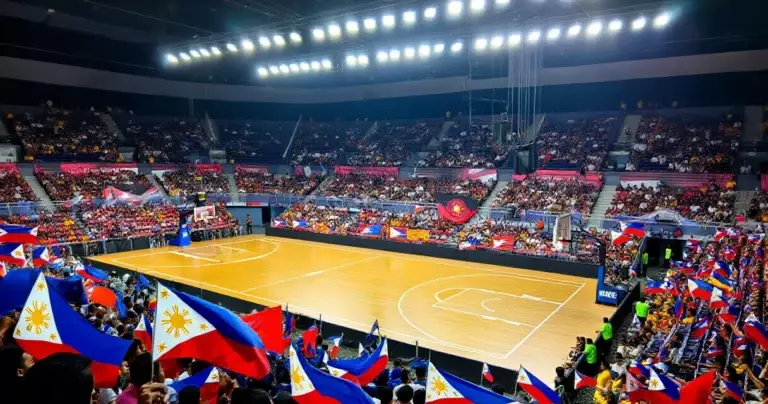
There is no doubt that basketball is the most central part of the Sports Archives of the Philippines. According to Wikipedia, basketball is considered the most popular sport nationwide, with regular games in almost every barangay and street. The PBA, established in 1975, is one of the oldest professional basketball leagues in Asia, and every record it holds is an important part of our sports archives.
The UAAP and NCAA Philippines also add rich content to our basketball sports archives. Every championship of De La Salle, Ateneo, FEU, and UP is documented in the sports archives as part of the storytelling of our collegiate sports. In 2026, Gilas Pilipinas continues to add new chapters to this archive as they compete in the FIBA World Cup Qualifiers.
### H3: Analysis of Gilas Pilipinas in the Sports Archives
The history of Gilas Pilipinas in international basketball is one of the most exciting parts of our sports archives. From the early FIBA competitions to the current 2026 roster, every result and record is stored as proof of the Filipino basketball player’s capability on the world stage. The analysis of the Gilas Pilipinas roster for the 2026 FIBA Qualifiers shows how history is used to improve current strategy.
“The Sports Archives of the Philippines is not just a collection of data — it is the soul of our sports, proof that every Filipino inherently has the heart of a champion.”
Boxing and Martial Arts in Our Sports Archives
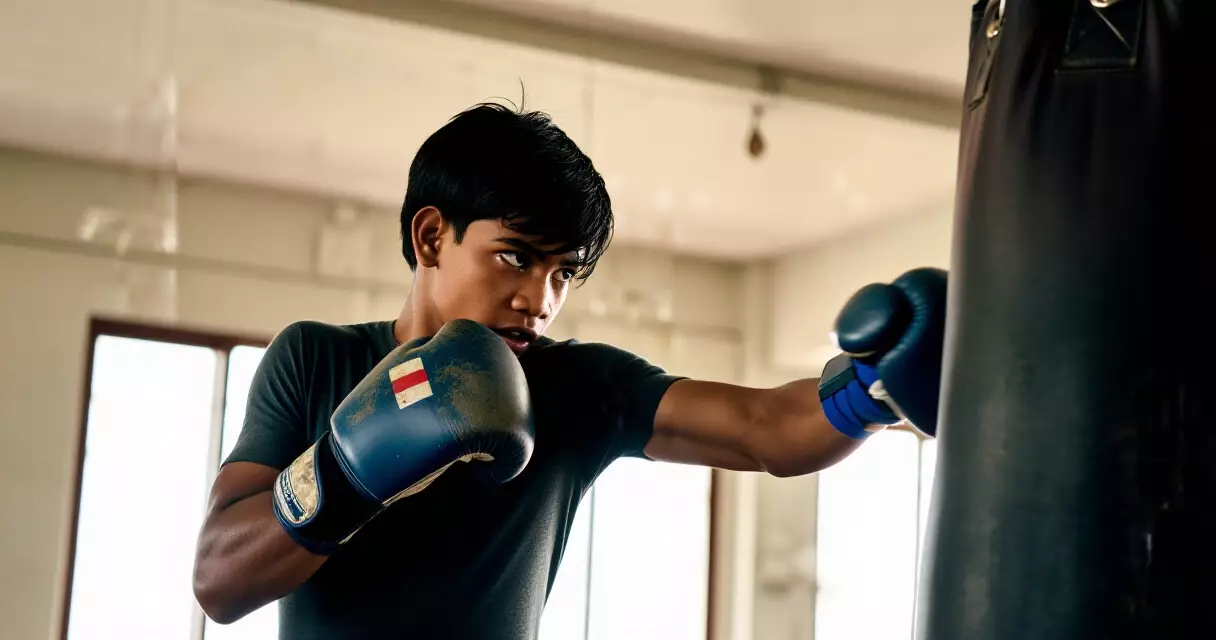
Boxing is one of the fields where the Sports Archives of the Philippines is richest. According to Britannica, Filipinos have excelled in boxing, wushu, and taekwondo in international competition. The legacy of great Filipino boxers is stored in our sports archives as inspiration for the next generation of champions.
Our boxing sports archives continue to grow in 2026, including new records and achievements of young Filipino boxers on the global stage. The leading Filipino boxing prospects are adding new chapters to the long history of our boxing archives.
Volleyball and Other Sports in the Sports Archives
Not only basketball and boxing make up the Sports Archives of the Philippines. Volleyball is also an important part, particularly through the Premier Volleyball League (PVL) and our national women’s team, the Filipinas Spikers. The PVL records, including statistics of stars like former champions, are stored as part of the country’s ever-growing sports archives.
Football also connects to our sports archives, especially the achievements of the Filipinas women’s football team. In 2026, after the historic securing of a slot for the 2027 World Cup by the Filipinas, a new chapter was added to the football sports archives in the Philippines.
Table of Key Records in the Philippine Sports Archives
| Sport | Main League/Organization | Year Established | Stored in Archives |
|---|---|---|---|
| Basketball | PBA (Philippine Basketball Association) | 1975 | All results, records, and champions from Season 1 |
| Basketball | UAAP | 1938 | Championship records, MVP awards, and team statistics |
| Boxing | Games and Amusements Board (GAB) | 1950 | Title fights, records of Filipino champions |
| Volleyball | PVL (Premier Volleyball League) | 2017 | Seasonal records, player statistics |
| Football | Philippine Football Federation (PFF) | 1907 | National team records, AFC competitions |
| Gymnastics | Gymnastics Association of the Philippines (GAP) | 1950s | FIG World Cup and international competition records |
The Role of the Philippine Sports Commission in Preserving Sports Archives
The Philippine Sports Commission (PSC), established in 1990 under Republic Act 6847, is the primary government body overseeing sports in the country. As the top government sports body, the PSC plays a crucial role in preserving the official sports archives of the Philippines. It maintains records of national athletes, funding history, and results of international competitions represented by the country.
Besides the PSC, individual federations such as the Samahang Basketbol ng Pilipinas (SBP), Philippine Football Federation (PFF), and Philippine Volleyball Federation (PVF) maintain their own archives, serving as references for researchers, journalists, and sports fans.
Digital Sports Archives: The Future of Preserving History
Nowadays, Sports Archives are no longer limited to printed documents and old photos. Digital archives provide easier access to sports history for all Filipinos, wherever they are in the world. The official websites of the PBA, UAAP, and other leagues store vast amounts of data, statistics, and video highlights that make up the country’s digital sports archives.
According to data from the Philippine Statistics Authority in 2018, there were a total of 75,968 employees in the arts, entertainment, and recreation industries — proof of the growing support for our sports ecosystem, including those working in digital sports content and archives.
“Through digital sports archives, every Filipino can be part of history — as a viewer, researcher, or simply a fan seeking inspiration from the past.”
Table: Historic Moments in the Philippine Sports Archives (2020-2026)
| Year | Athlete/Team | Achievement | Sport |
|---|---|---|---|
| 2021 | Hidilyn Diaz | Gold Medal, Tokyo Olympics (Weightlifting) | Weightlifting |
| 2023 | Filipinas Women’s Football Team | First participation in FIFA Women’s World Cup | Football |
| 2024 | Gilas Pilipinas | FIBA Olympic Qualifying Tournament | Basketball |
| 2025 | Eldrew Yulo | International gymnastics competition medals | Gymnastics |
| 2026 | Filipinas Women’s Football | Secured slot in 2027 FIFA Women’s World Cup | Football |
| 2026 | Carlos Yulo | Continued domination on the gymnastics world stage | Gymnastics |
How to Use the Sports Archives for Deeper Understanding
For sports fans, journalists, and researchers, the proper use of sports archives provides a deeper understanding of current sports events. For example, knowing the history of Gilas Pilipinas in FIBA competitions gives deeper context to their current battle in the 2026 FIBA World Cup Qualifiers against New Zealand.
Here are some ways to effectively use the sports archives:
- Review head-to-head records of teams before watching a game
- Learn the history of athletes to better appreciate their current level of performance
- Use historical statistics to predict possible outcomes of upcoming competitions
- Read old records to recognize the hero athletes of the past
- Compare the performance of different generations of athletes
Frequently Asked Questions About Sports Archives
What is the difference between Sports Archives and regular sports news?
Sports news records current events, while Sports Archives store past records, history, and data collected over a long period. Archives serve as a permanent reference that can be accessed anytime for research and to support current reports.
Where can the official Sports Archives of the Philippines be found?
The official sports archives can be found on the official websites of the Philippine Sports Commission (PSC), Samahang Basketbol ng Pilipinas (SBP), PBA, and other sports federations. The Philippine Statistics Authority also keeps formal statistics of the sports industry in the country.
Why are Sports Archives important for the youth?
Sports archives serve as inspiration and guidance for young Filipino athletes. By studying the history of past champions, the youth learn how to advance, succeed, and rebuild after failure. According to data from the Philippine Food and Nutrition Research Institute (FNRI), only 15.4% of young Filipinos are sufficiently active in physical exercise — a statistic that highlights the need to use sports archives as inspiration to boost youth participation in sports.
How do Sports Archives help in sports journalism?
For sports journalists, archives are an essential tool in writing contextual reports. Instead of just reporting results, a journalist can compare a team’s current performance with their historical data, providing a deeper and more interesting story for readers.
Which sports have the most complete archives in the Philippines?
Basketball, particularly the PBA, has the most complete sports archives in the Philippines due to its long history since 1975. The UAAP, which started in 1938, also has a deep record. In contrast, newer leagues like the PVL (2017) and esports have more limited archives but continue to grow.
How can digital archives help the future of sports in the Philippines?
Digital sports archives open new possibilities for analytics, player development, and fan engagement. Through AI and data analytics, historical sports data can be used to predict performance, identify potential champions, and improve team strategy. This is the future of sports in the Philippines, combining tradition and technology.
Conclusion: The Sports Archives as a Reflection of the Filipino Soul
The Sports Archives of the Philippines is more than a collection of numbers and records. It is a reflection of our culture, our determination, and our love for sports. From the long history of basketball on the country’s streets to the modern achievements of our athletes on the international stage, every record in the archives is a story of effort and pride.
As the sports industry in the Philippines continues to grow, the Sports Archives will become more important as the foundation of our sports. Every new success of Filipino athletes in 2026 and in the coming years will add a new chapter to this rich archive, preserving our sports heritage for future generations.
Sources
- Sports in the Philippines — Wikipedia — accessed on July 8, 2026
- Results from the Philippines’ 2022 Report Card on Physical Activity — PubMed/NCBI — accessed on July 8, 2026
- Philippines: Sports and Recreation — Britannica — accessed on July 8, 2026
- 2018 Census of Philippine Business and Industry: Arts, Entertainment, and Recreation — Philippine Statistics Authority — accessed on July 8, 2026
- Philippine Sports Commission — Freedom of Information Philippines — accessed on July 8, 2026