Summary
On the morning of June 10, 2026, the Philippine Sports Commission held a live media briefing that was simultaneously followed by thousands of viewers on various digital platforms, a clear testament to how rapidly the consumption of sports news in...
Table of contents
- 1 What is the State of Sports News Philippines in 2026?
- 2 Brief History of Sports Journalism in the Philippines
- 3 Main Leagues and Competitions Covered by Sports News
- 3.1 PBA: The Center of Basketball Coverage
- 3.2 UAAP and Gilas Pilipinas
- 4 Volleyball and the Rise of PVL in Sports News Philippines
- 5 Boxing and the Steady Tradition of Coverage
- 6 Individual Athletes and the Expanding Coverage
- 7 Where Do Filipino Fans Get Their Sports News?
- 8 Official Organizations Behind Sports News
- 9 Palarong Pambansa and Grassroots Sports Coverage
- 10 Trends in Sports Media in 2026
- 11 How to Choose a Reliable Sports News Source
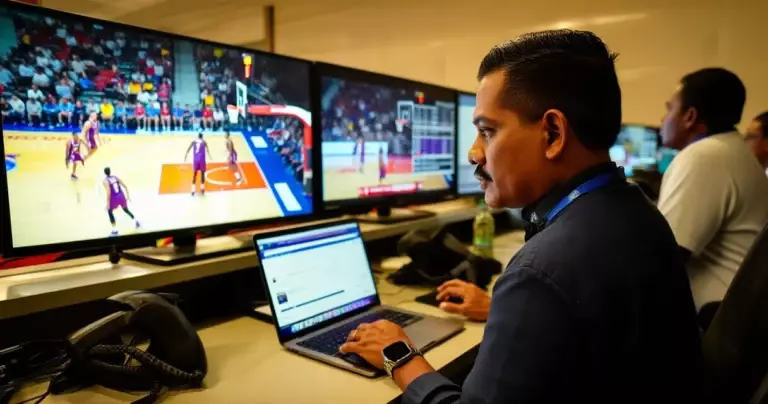
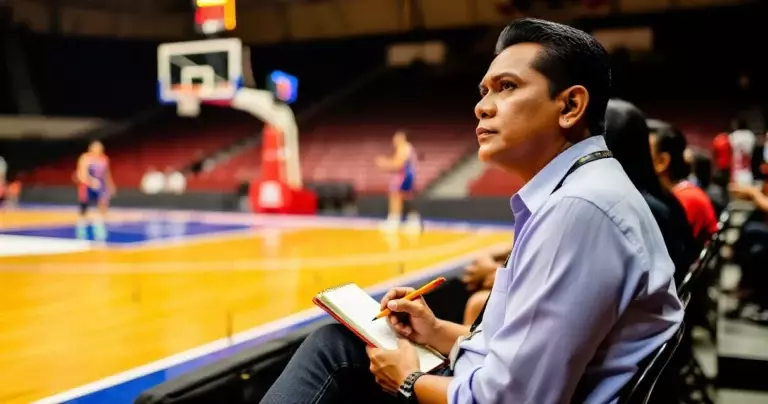
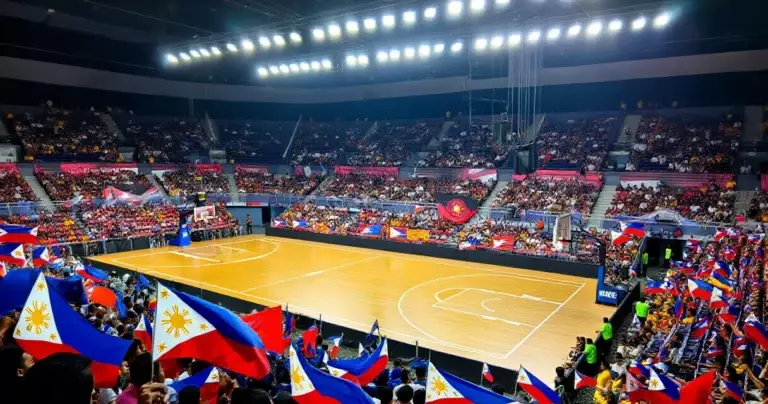
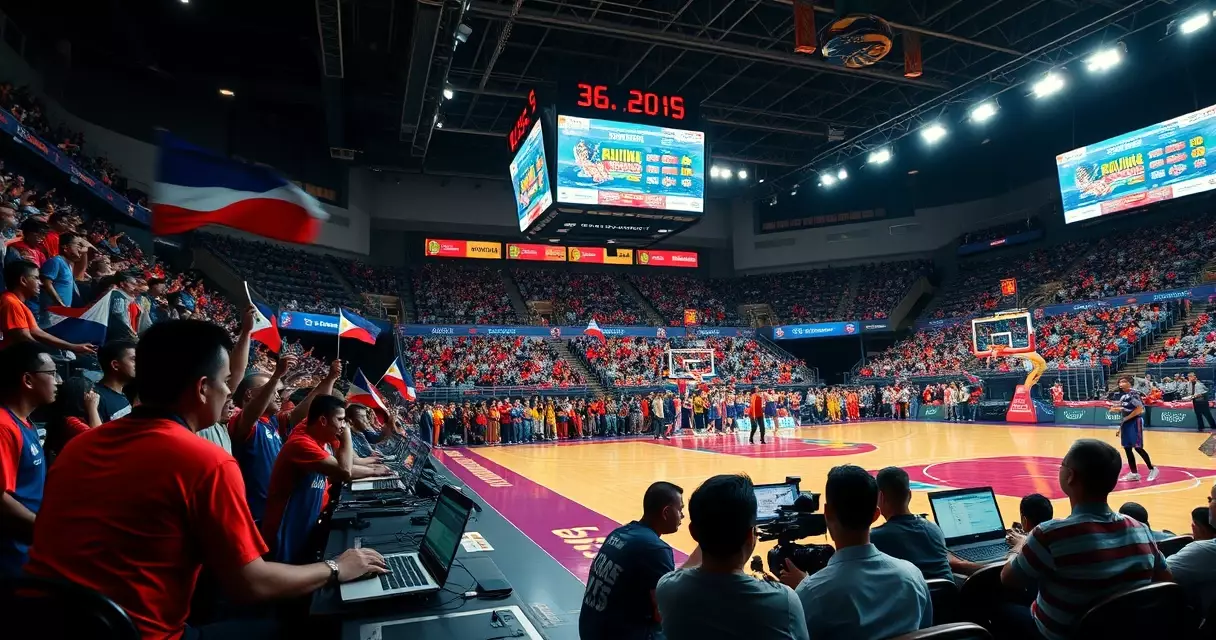
On the morning of June 10, 2026, the Philippine Sports Commission held a live media briefing that was simultaneously followed by thousands of viewers on various digital platforms, a clear testament to how rapidly the consumption of sports news in the Philippines is progressing today. Filipino fans no longer focus solely on newspapers or evening television. Now, game results, roster updates, and official announcements reach the audience within minutes after the event. In this article, we will delve deeply into the entire landscape of sports journalism in the Philippines, where it is headed, and how ordinary fans can find reliable information amidst the flood of content.
According to an assessment by S&P Global Market Intelligence, the media landscape in the Philippines continues to evolve as regulatory reforms meet the aggressive content strategy of both traditional and digital platforms. Amidst this change, sports remain one of the most stable pillars of public attention, from basketball to volleyball, boxing, and football. This article reflects the state of information as of June 2026, using only trustworthy sources to remain true to the facts.
What is the State of Sports News Philippines in 2026?
Currently, sports coverage in the country can be described as basketball-led but gradually becoming multi-sport. Based on available information, news coverage is divided between public-service media like the Philippine News Agency and major private digital platforms. The former concentration on the PBA and Gilas Pilipinas is slowly absorbing a broader range of sports, including volleyball, esports, and football. This evolution did not happen overnight but is the result of long-term changes in audience tastes and the technology they use to follow.
It is important to understand that the word “news” in this context encompasses two interrelated forms: the straight news reporting results and announcements, and the deeper analysis providing context behind the numbers. A fan looking only for scores has different needs than one who wants to understand a team’s strategy. The modern sports desk must deliver both, often on a single platform and within the same timeframe.
The nature of modern sports news in the Philippines can be summarized in five points: basketball-led but multi-sport, digital-first and increasingly video-driven, strongly shaped by public institutions and mainstream media, expanding coverage in women’s sports and grassroots, and under constant pressure to adapt to streaming and social media. Each of these points will be examined individually in the following sections to clarify how they affect the average fan’s experience.
- Basketball-led but expanding towards multi-sport coverage.
- Digital-first, emphasizing real-time updates and video highlights.
- Shared by state media and major private outlets.
- Growing attention to women’s and inclusive sports.
- Continuously keeping pace with streaming and short-form video.
Brief History of Sports Journalism in the Philippines
Sports journalism in the Philippines has deep roots that began in the era of print media in the early 20th century, where boxing and basketball were the first topics to capture readers’ attention. Interest in basketball grew after the establishment of local leagues, and the country’s participation in international competitions paved the way for regular sports reporting as a serious field of journalism. Columnists of that time were often recognized as authorities, and their opinions carried significant weight in public understanding.
Over the decades, the news center shifted from newspapers to radio and television. Radio play-by-play brought the game to homes far from city centers, while television provided a visual experience that brought fans closer to the action. Each stage added a new dimension to how the public understood sports, and each changed audience expectations from their news sources.
Today, we are in the stage of digital and social platforms. The current generation of fans simultaneously receives updates from websites, live streams, and short video clips. This history provides context for why sports news today is faster and more interactive than ever, and why traditional outlets have been forced to adapt to remain relevant. Understanding this evolution helps us appreciate why the flow of information is so rapid today.
Main Leagues and Competitions Covered by Sports News
To understand the flow of Philippine sports news, it is essential to recognize the main leagues and competitions that continuously provide content to outlets. These form the daily agenda of most sports desks in the country, and their calendar often dictates which story leads on any given day.
| League or Competition | Sport | Level of News Coverage |
|---|---|---|
| PBA | Basketball (men’s, professional) | Highest, daily |
| UAAP | Multi-sport (college) | High, especially in season |
| Gilas Pilipinas | Basketball (national) | High during FIBA window |
| PVL | Volleyball (women’s) | High and continuously growing |
| Palarong Pambansa | Multi-sport (grassroots) | Seasonal but extensive |
Each of the competitions in the table has its own calendar, its own follower base, and its own set of stories. The advantage of a well-rounded sports platform is the ability to smoothly transition from one sport to another as the seasons change. In this way, fans have new content throughout the year, rather than relying solely on a single league with a limited season.
PBA: The Center of Basketball Coverage
The Philippine Basketball Association remains the top professional men’s basketball league in the country and one of the largest sports-media properties. The daily search of many for “pba news today” reflects how deeply the public is connected to the league. Analyses of individual players, as seen in discussions of the 2026 PBA Commissioner’s Cup, are among the most sought-after content during the peak of the conference.
Beyond game results, trades, injury reports, and coaching changes are regularly topics of intense discussion. The enduring interest in the PBA is why it is often the benchmark of success for any sports outlet in the country. Where discussions about the PBA are lively, platform traffic is usually vibrant as well.
UAAP and Gilas Pilipinas
At the collegiate level, the UAAP remains the most popular collegiate sports property, with a strong following not only in basketball but also in volleyball and other sports. The rivalry between universities brings emotions rarely seen in other leagues, and this is one of the most marketable angles of coverage during the season.
At the national level, Gilas Pilipinas carries the flag on the international stage. Interest in “gilas pilipinas news” spikes during the FIBA window, and detailed team analyses like those laid out in the preview of Gilas against New Zealand regularly trend. Balancing coverage between local leagues and the national team is one of the most important tasks of modern sports news in the Philippines, as each brings different emotions and expectations.
Volleyball and the Rise of PVL in Sports News Philippines
One of the biggest changes in the past decade is the rapid rise of volleyball as the second most popular sport after basketball. The Premier Volleyball League leads women’s volleyball and has become a major partner in expanding news coverage. Interest in the draft and prospects, as discussed in the 2026 PVL Draft preview, proves that basketball is no longer the only sport drawing audiences to sports platforms.
This rise has a profound impact on the news industry. Female athletes are becoming household names, and their stories, from training to personal life, are gaining attention once reserved only for basketball stars. This has opened a new market for coverage and strengthened the argument that women’s sports have undeniable commercial and editorial value.
On the international front, the Philippine News Agency reported on June 5, 2026, the start of the Philippines’ campaign against Uzbekistan in the AVC Women’s Cup, a testament that volleyball coverage is also reaching continental competitions. Such developments show the expanding space for women’s sports in the daily agenda of sports desks, allowing for more stories that were previously overlooked.
Boxing and the Steady Tradition of Coverage
Boxing is one of the oldest branches of sports journalism in the country and continues to provide major stories, especially when a Filipino is fighting abroad. Tracking emerging fighters, as listed in the discussion of Filipino boxing prospects, remains a strong part of the coverage to this day.
The unique characteristic of boxing is its global level where a Filipino can stand as a world champion. Such success is not just a sports story but a national story that reaches the consciousness of the public not usually following sports. Because of this, major fights regularly become the highest trending topics for several days, showcasing boxing’s special place in the hearts of fans.
Individual Athletes and the Expanding Coverage
Aside from boxing, recognition of individual athletes in other disciplines like gymnastics and athletics is also expanding. The success of individual Filipinos on the international stage brings national pride and often becomes the highest trending story. For example, success in international competition as discussed in Eldrew Yulo’s story at the FIG World Cup shows the deepening coverage in sports that were previously rarely given attention.
These successes remind us that sports news in the Philippines is not just about leagues but also about individual sacrifice and talent. A well-rounded sports desk can recognize the value of these stories even if they don’t have the same large audience as basketball. Paying attention to individual athletes is also a way of showcasing the true breadth of the country’s success in sports.
It is also important to mention that individual disciplines often have less commercial support than major leagues, so continued media attention has a real impact on their development. When the public sees their story, it is easier for programs that nurture them to attract funding and support. In this way, responsible coverage is not just reporting but also a form of contribution to the growth of sports in the country.
Where Do Filipino Fans Get Their Sports News?
The question of “where to get news” is one of the most important issues in the current media landscape. Based on available information, sports news consumption is evolving towards digital-first and increasingly focused on video. ABS-CBN Sports positions itself as a multi-sport digital destination covering basketball, volleyball, esports, and more, reflecting the overall direction of the industry.
The following table provides an overview of the main platforms and their strengths, based on current industry observations. It is important to note that each platform has a unique role and often works together to provide a complete picture to the fan, rather than competing for a single role.
| Type of Platform | Example of Coverage | Main Strength |
|---|---|---|
| State news agency | Philippine News Agency sports desk | Official and near-daily reports |
| Private digital platform | ABS-CBN Sports | Multi-sport, highlights, athlete features |
| Live briefing and stream | PSC media briefings | Real-time announcements and policies |
| Social media and short video | Facebook, YouTube | Speed and wide reach |
From the table, it is clear that no single platform covers everything. A savvy fan typically combines several sources to achieve a balance between speed and accuracy. This multi-platform habit forms the characteristic of modern Philippine sports news consumption, where one can read the headline on social media, watch the highlight on a video platform, and seek official details from an established outlet.
Official Organizations Behind Sports News
Every piece of news has a source, and in the field of sports, official organizations play a significant role in shaping announcements and policies. Recognizing these institutions is one of the most effective ways to assess how official or certain a piece of information is. When fans know who the authority behind an announcement is, it is easier for them to determine if a report is official or just speculation.
| Organization | Main Role in Sports |
|---|---|
| Philippine Sports Commission (PSC) | Main government agency for sports policy and development |
| Philippine Olympic Committee (POC) | Umbrella organization of national sports associations and Olympic coordination |
| Samahang Basketbol ng Pilipinas (SBP) | National basketball federation, crucial for Gilas Pilipinas |
| Philippine Basketball Association (PBA) | Leading professional men’s basketball league |
| Premier Volleyball League (PVL) | Leading women’s volleyball league |
| Games and Amusements Board (GAB) | Government regulator for professional sports |
The continuous conduct of public briefings by the PSC, as occurred on June 10, 2026, shows that the agency remains an active and visible source for updates on policies and major events. For fans, knowing which organization is providing an announcement is crucial to ensure its official nature. A statement from the official federation carries different weight than a rumor circulating only on social media.
Palarong Pambansa and Grassroots Sports Coverage
Sports news does not revolve solely at the professional level. Grassroots and school-based sports continue to gain greater visibility, especially through the Palarong Pambansa, described by the Inquirer as the country’s largest educational sports event. This event is often the source of stories of hope and recognition for young athletes from different regions.
According to the same report, the 2026 edition of the Palarong Pambansa adds new sports such as weightlifting, secondary girls’ football, and elementary girls’ futsal, along with demonstration sports like karate, kickboxing, and soft tennis. Exhibition events including muay thai and selected Paragames events like sitting volleyball and table tennis are also added to promote inclusive participation. This expansion of the list reflects the desire to reach more youth and more communities.
- Weightlifting as a new regular sport.
- Secondary girls’ football and elementary girls’ futsal for broader representation.
- Demonstration sports: karate, kickboxing, and soft tennis.
- Exhibition and Paragames events like sitting volleyball and table tennis.
This expansion shows growth in coverage of women’s sports, inclusive competition, and grassroots events. For sports desks, this opens a new range of stories that go beyond the usual focus on professional leagues. It is also the source of the next generation of athletes, so tracking it is an investment in the future of the country’s sports.
Trends in Sports Media in 2026
The current news cycle is shaped by several major forces. Based on analysis by S&P Global Market Intelligence, pay TV and streaming in the Philippines are being reshaped by regulation and content innovation. This drives outlets to invest in digital and video-first forms of news, as that is where the attention of the younger audience is going.
In addition, there is a continued emphasis on learning new skills within the industry. Forums and conferences focused on upskilling show that media organizations view digital adaptation as a current operational priority, not an optional addition. The following list summarizes the key trends to watch, based on available industry information.
- Digital-first coverage emphasizing online highlights and athlete features.
- Convergence of regulation and innovation in pay TV and streaming.
- Greater visibility for school and grassroots sports.
- Live briefing and real-time updates as a regular form of news.
- Expanding women’s and inclusive sports coverage.
- Continuous upskilling and adaptation of media organizations.
The last point is particularly important. The continuous learning of new skills within the industry shows that media organizations are not afraid to adapt to the rapidly changing audience habits. For fans, this means a faster, more visual, and more interactive news-following experience, but it also means the need to be more discerning about the source.
How to Choose a Reliable Sports News Source
With so many sources, choosing which one to trust is a challenge. The speed of social media comes with the risk of misinformation, so fans need simple discipline to filter the truth from speculation. Here are some practical guidelines that any fan can follow to ensure the accuracy of what they read or watch.
- Check who the original source is: government agency, official league, or established outlet.