Summary
According to the 2022 Philippine Report Card published in the peer-reviewed database of PMC (NCBI), about 84.6% of Filipino youth aged 10 to 17 do not meet the recommended level of physical activity. As of June 21, 2026, the question...
Table of contents
- 1 What are sports with a ball?
- 2 A brief history of ball games in the Philippines
- 3 Basketball: the king of sports with a ball in the Philippines
- 3.1 From grassroots to Gilas Pilipinas
- 3.2 The global influence of the NBA
- 4 The most popular sports with a ball in the Philippines
- 4.1 Volleyball: the rapidly emerging ball game
- 4.2 Tennis, billiards, and other ball games
- 5 Football and the international face of sports with a ball
- 6 Sports with a ball and the health of Filipino youth
- 7 Government programs for ball games
- 8 Infrastructure: basketball court in every barangay
- 9 Professional leagues of sports with a ball
- 10 Frequently asked questions about sports with a ball
- 10.1 What is the most popular ball game in the Philippines?
- 10.2 Why is basketball so popular among Filipinos?
- 10.3 Are sports with a ball good for health?
- 10.4 What is the native ball game in the Philippines?
- 11 Conclusion: the future of sports with a ball in the Philippines
- 12 References
According to the 2022 Philippine Report Card published in the peer-reviewed database of PMC (NCBI), about 84.6% of Filipino youth aged 10 to 17 do not meet the recommended level of physical activity. As of June 21, 2026, the question of how we can keep Filipinos active becomes even more significant, and this is where sports with a ball come in. In Filipino culture, ball games, from the corner basketball court to the professional arena, are the strongest bridge to an active lifestyle, community participation, and national pride.
In this guide, we will delve deeper into what sports with a ball are, why some of these games dominate in the Philippines, and how they are connected to health, education, and national identity. It aims to provide you with a clear, data-based, and practical understanding of the topic, using only current and reliable references.
What are sports with a ball?
The term sports with a ball refers to any sport where the ball is the central equipment of the game. This includes games such as basketball, volleyball, football (soccer), tennis, billiards, bowling, and even the native sipa. It does not include sports without a ball like boxing, athletics, or swimming, even though these are popular in the country. In short, the main characteristic of a ball game is the use of a round object that is caught, punched, kicked, or hit towards the goal of the game.
Recognizing this category is important because sports with a ball differ in physical and social characteristics. Most of these are team games that require coordination, strategy, and continuous movement. According to the list on Wikipedia, there are seven major sports in the Philippines, and more than half of these are ball games. This shows how deep the connection of Filipino culture is to this type of play.
In the context of public health, sports with a ball are considered forms of active play and sports participation, two metrics included in the national assessment of physical activity. Therefore, understanding ball games is not just a matter of entertainment but also of public welfare.
A brief history of ball games in the Philippines
Sports with a ball have a rich and deep history in the Philippines. Even before modern sports arrived, Filipinos already had native ball games, such as sipa, where a woven ball is kicked using the foot, knee, or elbow. This game is considered the ancestor of the modern sepak takraw still played in the region today.
According to the Encyclopædia Britannica, many sports introduced by Americans in the early 20th century became extremely popular in the Philippines, with basketball being the most prominent. Since then, this game has become a part of the daily life of Filipinos, with amateur games regularly held in neighborhoods across the country. The same reference shows that the Philippines has been participating in the Summer Olympic Games since 1924 and the Winter Games since 1972, evidence of the country’s long-standing international presence in the field of sports.
Over the decades, the scope of ball games in the country has expanded. From basketball, vibrant communities of volleyball, football, and billiards have also emerged. This evolution from native sipa to modern professional leagues shows how sports with a ball transcend different generations of Filipinos.
Basketball: the king of sports with a ball in the Philippines
No other ball game reaches the level of popularity of basketball in the Philippines. Wikipedia describes basketball as “by far the most popular sport in the Philippines,” and Britannica agrees, stating that it is particularly prominent in the country’s culture. From barangay tournaments to professional leagues, basketball is at the center of the national obsession with sports.
In the public arena, basketball is the most accessible sports with a ball. It does not require vast fields or expensive equipment; a ball and a ring are enough. This is why basketball can be seen in almost every corner of the country, from the crowded alleys of Manila to remote provinces.
From grassroots to Gilas Pilipinas
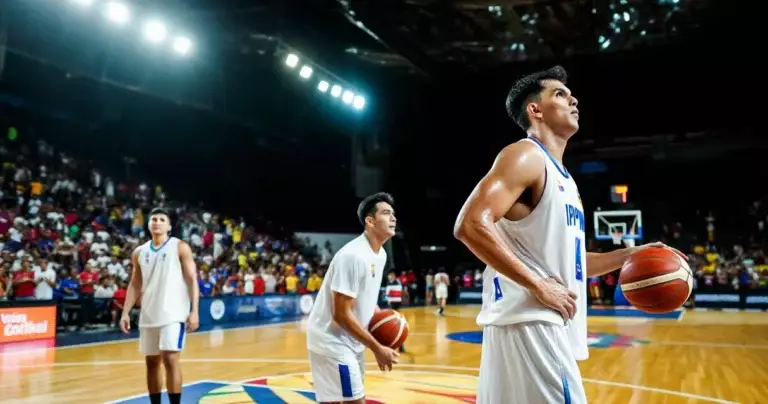
The depth of basketball in the Philippines extends from the community level to the national team. According to Britannica, the Philippines has sent colorful national teams to the World Basketball Championships, proof of a long-standing competitive presence on the international stage. For a deeper analysis of the current national team, the guide to the Gilas Pilipinas roster for upcoming matches can be helpful.
This system of talent development, from school leagues to the professional level, keeps basketball as the strongest pillar of sports with a ball in the country. The continued increase of Filipino players playing abroad shows the expanding reach of this game.
The global influence of the NBA
Filipino basketball fans do not only follow local leagues. The NBA also has a huge fan base in the country, further strengthening the culture of ball games. International series like the NBA Finals 2026 are often discussed in cafes, schools, and social media throughout the Philippines, showing how local and global passions for basketball converge.
The most popular sports with a ball in the Philippines
While basketball dominates, there are many other sports with a ball that have a strong fan base and players in the Philippines. Based on the list of major sports on Wikipedia, here is the ranking of the most popular sports in the country, where it is clear that ball games dominate.
| Rank | Sport | With a ball? | Additional information |
|---|---|---|---|
| 1 | Basketball | Yes | Most popular sport in the Philippines |
| 2 | Boxing | No | Strong tradition in international matches |
| 3 | Volleyball | Yes | Rapidly growing professional league |
| 4 | Association football | Yes | National team is gaining strength |
| 5 | Badminton | No (shuttlecock) | Popular as a recreational sport |
| 6 | Tennis | Yes | Widespread in clubs and schools |
| 7 | Billiards | Yes | Country has produced world champions |
This table shows that five out of the seven major sports are ball games or similar. This proves that sports with a ball are the foundation of sports culture in the Philippines, not only at the level of viewership but also in actual play.
Volleyball: the rapidly emerging ball game
In the past decade, volleyball has been one of the fastest-growing sports with a ball in the Philippines, especially among women. The rise of professional leagues and the large fan base in colleges have pushed volleyball into the mainstream. Today, volleyball stars are as famous as basketball players in some parts of the country.
The vibrant player market can be seen in annual drafts and athlete transfers. For example, there was much discussion in the 2026 PVL Draft, showcasing the depth of talent and public interest in this game. Volleyball continues to grow as the second most popular ball game for many Filipinos.
Tennis, billiards, and other ball games
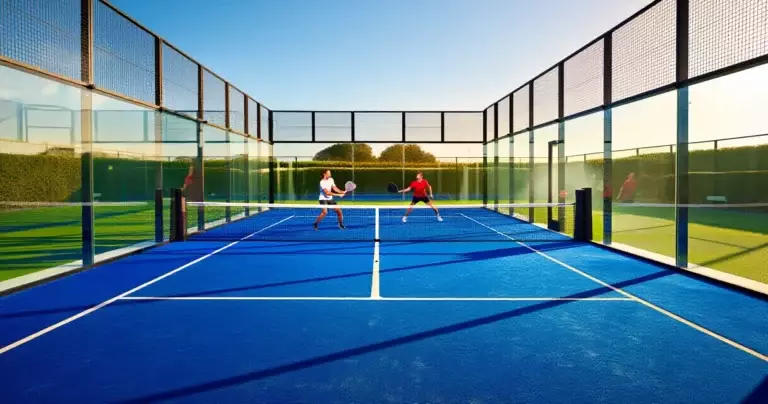
Apart from major team games, individual sports with a ball also have a strong foundation. Tennis is widespread in clubs and schools, while billiards has produced world-renowned champions from the Philippines. These games show that ball games are not always about teams, as individual skills also have their place in Filipino culture.
Bowling, table tennis, and the native sepak takraw are also growing as recreational ball games. Although not as popular as basketball, these provide a wider range of options for Filipinos seeking active recreation.
Football and the international face of sports with a ball
Globally, football or soccer is the most popular ball game, and it is gradually gaining strength in the Philippines. According to Wikipedia, association football is among the top four sports in the country. Although it was less prevalent than basketball in terms of actual play in the past, the success of the national team has greatly helped to expand interest.
Especially in women’s sports, the national team’s achievements in recent years have been historic. For example, the Filipinas securing a spot in the 2027 World Cup was big news, inspiring a new generation of football players. Such successes are slowly changing the landscape of sports with a ball in the Philippines.
The growth of football highlights an important truth: the interest of Filipinos is not tied to one sport. As access to facilities expands and the level of competition increases, there is also room for other ball games to rise.
Sports with a ball and the health of Filipino youth
Beyond entertainment and competition, sports with a ball play an important role in public health. According to the 2022 Philippine Report Card published in PMC (NCBI), the Philippines has over 108 million people, with approximately 30% being children and adolescents. Unfortunately, the level of physical inactivity in this group is alarming.
According to the same reference from the 2019 FNRI ENNS, here are the key statistics on the lack of physical activity among Filipino youth. These data emphasize why the role of ball games in daily life is critical.
| Group (ages 10–17) | Percentage of physical inactivity | |
|---|---|---|
| All adolescents | 84.6% | |
| Insufficiently active (overall) | 84.5% | |
| Male | 80.5% | |
| Female | 88.8% | |
| Rural areas | 84.9% | |
| Urban areas | 84.3% |
The data shows that physical inactivity is higher among females (88.8%) compared to males (80.5%), and the levels are almost the same in rural and urban areas. In this situation, accessible and enjoyable sports with a ball can be an effective response to the challenge of physical inactivity, especially for young women who are more affected.
It is important to note that these figures are based on surveillance data from 2019 and may have changed over time. However, they remain the clearest baseline available to policymakers and educators to design sports programs.
Government programs for ball games
The Philippine government recognizes the importance of sports participation. According to the 2022 Philippine Report Card, many identified policies focus on promoting sports participation. However, the study also shows that only three laws support other forms of physical activity such as physical fitness, active transport, and active play.
Among the programs supporting the implementation of these policies, two were identified by the study as particularly important for the youth:
- Batang Pinoy (Philippine Youth Games), a national competition aimed at discovering and developing young athletes in various sports, including ball games.
- Laro’t Saya sa Parke, a park-based and family-oriented program promoting sports-for-all for all ages.
These programs show a shift in strategy from pure competition to a broader perspective where sports are used as a tool for health and youth development. Sports with a ball, due to their accessibility and popularity, are naturally at the center of these initiatives.
However, the study emphasizes the need to improve the translation of existing policies into measurable programs. In short, having laws is not enough; real implementation at the community level is needed to achieve a health impact on the population.
Infrastructure: basketball court in every barangay
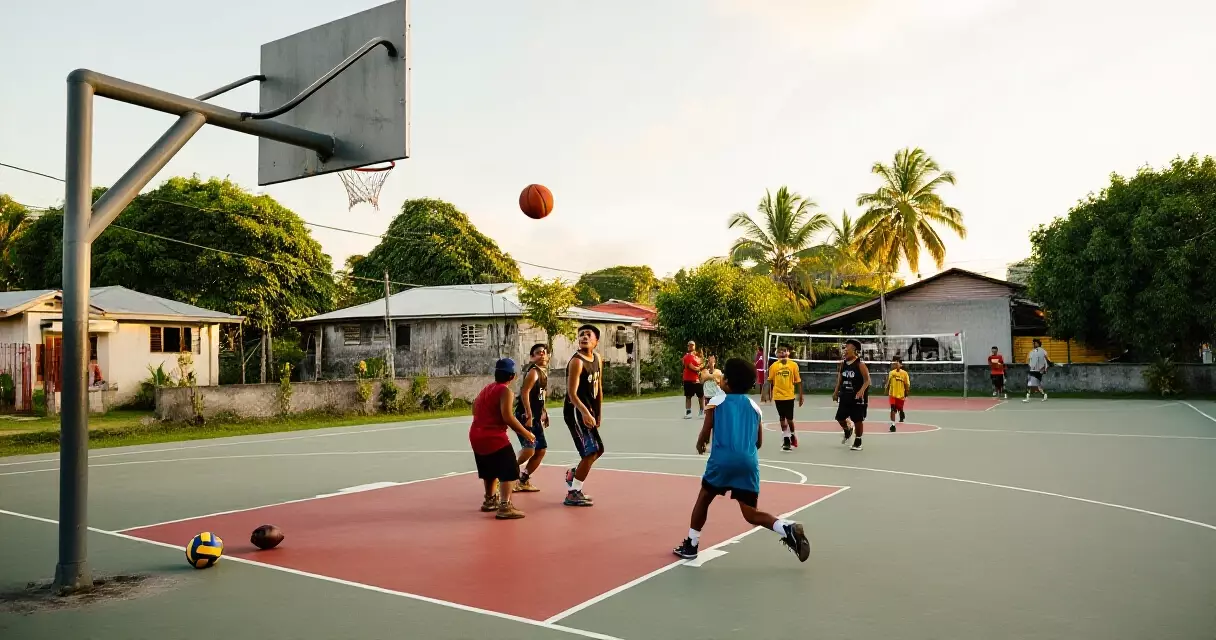
One of the most distinctive features of sports with a ball in the Philippines is its extensive infrastructure at the community level. It has long been recorded that the basketball court is the most common sports facility found in almost every barangay and school in the country. This fact is one of the strongest reasons for the high visibility and participation in ball games.
Access to facilities is a critical factor in public participation. When there is a free and nearby place to play, residents are more likely to be active. Because of this, basketball, as the most accessible sports with a ball, remains the center of community activity from morning until night.
The challenge now is how to expand such infrastructure for other ball games. Adding volleyball courts, football fields, and multi-purpose facilities can provide Filipinos with more options, which can help solve the problem of low physical activity.
Professional leagues of sports with a ball
At the competition level, professional leagues promote the highest form of sports with a ball in the Philippines. These leagues serve as inspiration for young players and the center of attention for millions of fans. Here is a comparison of the major professional and collegiate leagues in the country.
| League | Sport | Level | Main feature |
|---|---|---|---|
| PBA | Basketball | Professional | Oldest professional league in Asia |
| UAAP | Various sports | Collegiate | Strong fan base in basketball and volleyball |
| PVL | Volleyball | Professional | Leading volleyball league in the country |
| PFL | Football | Professional | Main football league in the Philippines |
In basketball, the PBA continues to dominate as the center of professional competition. Featured campaigns like those seen in the 2026 PBA Commissioner’s Cup showcase the quality of Filipino talent. This level of competition keeps basketball as the primary ball game in the country.
On the volleyball side, the professional stage is strengthening through the PVL. It is also important to watch team news, such as player decisions and breaks seen in the case of the Cignal Super Spikers. These stories show the depth and dynamism of professional ball games today.
Frequently asked questions about sports with a ball
What is the most popular ball game in the Philippines?
According to Wikipedia and Britannica, basketball is by far the most popular sports with a ball in the Philippines, both in terms of viewership and actual play. Volleyball and association football follow in the list of top sports.
Why is basketball so popular among Filipinos?
According to Britannica, basketball was introduced by Americans in the early 20th century and quickly became part of the culture. The accessible facilities, such as basketball courts in every barangay, and the minimal equipment needed help it remain the most popular ball game.
Are sports with a ball good for health?
Yes. The 2022 Philippine Report Card considers sports participation and active play as important forms of physical activity. Given the high level of physical inactivity among Filipino youth, regular play of ball games can help improve health.
What is the native ball game in the Philippines?
Sipa is one of the most famous native ball games, where a woven ball is kicked using the foot, knee, or elbow. It is considered the ancestor of modern sepak takraw, which is still played today.
Conclusion: the future of sports with a ball in the Philippines
It is clear that sports with a ball are not just entertainment but an important part of the identity, culture, and health of Filipinos. From the native sipa to the modern PBA and PVL, ball games transcend all generations and levels of society. As the second half of 2026 approaches, here are the key lessons to remember.
- Basketball is the most popular sports with a ball in the Philippines, followed by volleyball and football, according to Wikipedia and Britannica.
- About 84.6% of Filipino youth aged 10–17 do not meet the recommended physical activity, according to the 2022 Philippine Report Card.
- Physical inactivity is higher among females (88.8%) than males (80.5%).
- Programs like Batang Pinoy and Laro’t Saya sa Parke support sports participation as a tool for health and youth development.
- The extensive infrastructure, especially the basketball court in every barangay, is one of the main reasons for high participation in ball games.
Ultimately, the challenge for the Philippines is how to use the inherent love for sports with a ball to solve the problem of low physical activity. Through continued investment in facilities, programs, and grassroots development, ball games can become a pillar not only of national pride but also of a healthier nation.