Summary
✓Reviewed by James Carter In the current 2025–26 season of the Philippine Basketball Association, a new challenge is being felt in the locker rooms of every team: how do you give new players a chance without sacrificing wins? This question...
Table of contents
- 1 What “Quickly Rising in the Rotation” Means in the PBA
- 2 A Brief History of Rookie Development in the PBA
- 3 Case Study 1: Geo Chiu and Life as the First Overall Pick
- 3.1 Factors That Contributed to Chiu’s Rise
- 4 Case Study 2: Jason Brickman and the Meralco Transformation
- 4.1 Draft Position as a Predictor of Rapid Rotation Entry
- 5 Case Study 3: Ricci Rivero and the All-Star Reception
- 6 How the PBA Prepares Rookies for a Quick Rise in the Rotation
- 7 The Role of a Longer Season in Rookie Development
- 8 Teams Most Open to Using Rookies
- 9 Comparison: Rookies Who Rose Quickly vs. Those Who Stayed on the Bench
- 10 Questions and Answers: The PBA Rookie
- 10.1 How many games does a rookie need before becoming part of the regular rotation?
- 10.2 Why are more rookies playing in 2026 compared to previous years?
- 10.3 What role does Gilas Pilipinas play in a rookie’s quick rise in the PBA?
- 10.4 How will the new draft rule affect future rookies?
- 10.5 Which teams are best at developing rookies?
- 10.6 Has any Filipino rookie reached All-Star caliber within a single season?
- 11 Lessons Learned from the Three Case Studies
- 12 Sources
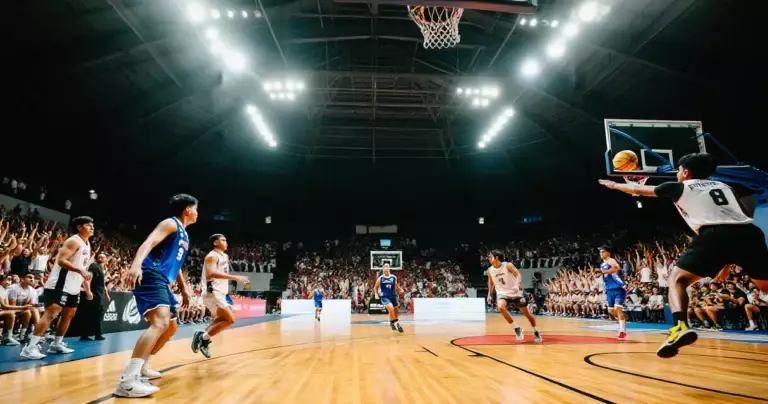
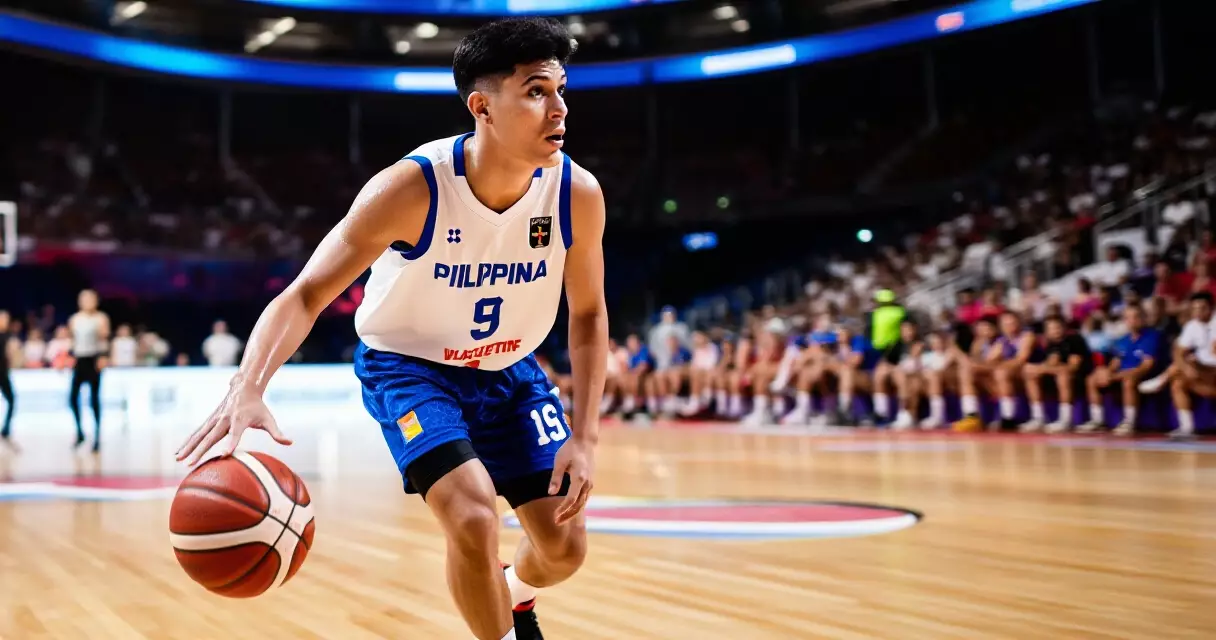
In the current 2025–26 season of the Philippine Basketball Association, a new challenge is being felt in the locker rooms of every team: how do you give new players a chance without sacrificing wins? This question has been answered by three rookies who, within just a few months, became essential parts of their respective teams’ rotations. The case study of a rookie who quickly rises in the PBA rotation opens the door to a deeper understanding of how the player development system works in the oldest professional league in Asia.
What “Quickly Rising in the Rotation” Means in the PBA
Before we study the three Filipinos, it is important to define exactly what “quickly rising in the rotation” means. In the context of the PBA, a rookie is considered to have risen quickly if, within the first three months of their first season, they are regularly called upon by the coach in important parts of the game — not just garbage time. The metrics include averaging more than eight minutes per game, being part of the rotation even in close games, and being given meaningful responsibilities by the team such as being a point-of-attack defender or a rotation big man.
This process does not just happen on its own. According to Wikipedia’s entry on the 2025–26 PBA season, the league started on October 5, 2025 and will run until December 2026 — a 14-month calendar that provides a longer window of opportunity for young players. This is the context in which our three subjects thrived.
A Brief History of Rookie Development in the PBA
Since the PBA was founded in 1975 as the first professional basketball league in all of Asia, it has always served as a training ground for the best Filipino basketball players. In the early years of the league, rookies quickly became stars because team budgets were small and teams had to rely on domestic talent. Today, according to Inquirer Sports, the PBA takes the Gilas Pilipinas program seriously, so the season schedule has been adjusted to provide adequate time for national team windows — a decision that also opens more opportunities for rookies to showcase themselves.
Case Study 1: Geo Chiu and Life as the First Overall Pick
Geo Chiu of the Terrafirma Dyip is the primary subject of our study. As the first overall pick of the 2025 PBA Draft, expectations for him were enormous. The pressure of that title is heavy — and in league history, not every number one pick immediately slots into a productive rotation. But the 6-foot-10 Chiu displayed an exceptional skill set that not only helped Terrafirma but also opened the door for him to the national team.
On August 20, 2026, the Philippine Star reported that Chiu was included in the 20-man training pool of Gilas Pilipinas for the fourth window of the FIBA World Cup Qualifiers — against Jordan on August 28 and Iran on August 30. This means that within just a few months of starting his professional career, he had already reached the highest level of Filipino basketball. A rookie’s rapid rise in the PBA rotation, like Chiu’s, rarely happens without a clear development system in place.
Factors That Contributed to Chiu’s Rise
Three key factors enabled Chiu’s rapid rise in the rotation. First, his position as a big man in a league lacking true bigs automatically gives him value. Second, Terrafirma’s acquisition of veteran players alongside rookie additions like Ira Bateller and JM Bravo, according to the Philippine Star in their February 2026 report, shows that the team is serious about building a complete roster with space for rookie contributors. Third, Chiu’s physical attributes — strength, height, and athleticism — are easily noticed by coaches even in the first few games.
Case Study 2: Jason Brickman and the Meralco Transformation
The seventh pick of the 2025 Draft, Jason Brickman of the Meralco Bolts, offers a different perspective in our study. He was not the first name you would hear in news about the 2025 Draft — but he quickly emerged as one of the first-round rookies most ready for PBA-level competition. Meralco, known for their methodical approach to using players, gave him a clear role from the start: a reliable rotation player capable of defending and shooting.
His case reveals an interesting truth about the PBA: players selected at lower draft positions can become more effective if the team that picks them has a clear system and a well-defined role for them. At Meralco, the coaching staff is known for their player development approach focused on teaching the right habits from day one of training camp.
Draft Position as a Predictor of Rapid Rotation Entry
An important question emerged from our research: how well does draft position predict a quick entry into the rotation? Based on data from the Philippine Star, all 13 rookies still waiting for their Commissioner’s Cup debut are from the 2025 Draft — meaning the draft class itself sets the pace for new talent entering the league. Of the 25 rookies who played in the Philippine Cup, first-round picks showed a higher tendency to earn regular minutes, but this is not always the case. Team system, veteran injuries, and roster chemistry are often bigger factors than draft number.
Case Study 3: Ricci Rivero and the All-Star Reception
The third subject of our study is Ricci Rivero of the Phoenix Fuel Masters — a name long familiar to Filipino basketball fans from his UAAP career. His transition to the PBA was eagerly anticipated by many, but the real test was whether he could sustain his performance at the professional level. He answered that question when he was included in the PBA All-Star Weekend as part of the Rookies and Sophomores versus Juniors game in Candon, Ilocos Sur.
According to the Philippine Star in February 2026, Rivero and Blackwater rookie Sedrick Barefield were among the standout players of the rookie/sophomore showcase — a clear signal that the league recognizes their rapid rise. For Rivero, being selected for the All-Star event was not just an honor; it was proof that the Phoenix coaching staff is confident in him as a player with rotation value.
How the PBA Prepares Rookies for a Quick Rise in the Rotation
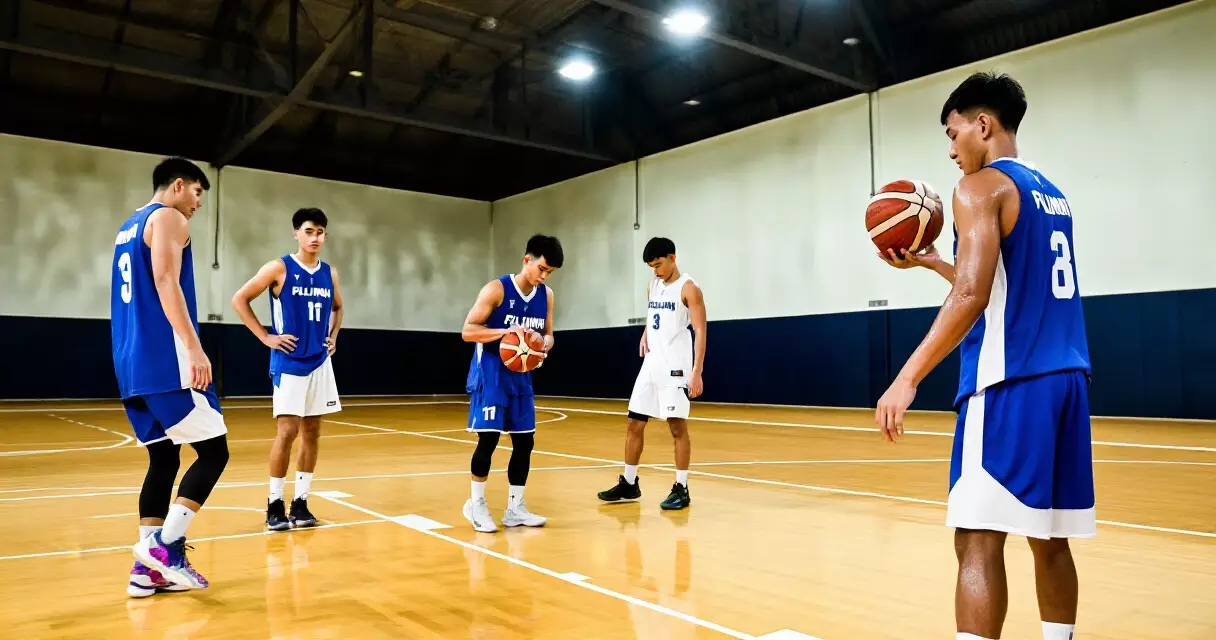
These three case studies reveal a single truth: a rookie’s rapid rise in the rotation is not the product of luck. It is the result of a combination of the player’s own talent, the team’s clear system, and the right training environment. The PBA as a league also recognizes this. On January 20, 2026, according to Wikipedia, the PBA approved a new rule stating that starting with the Season 51 Draft, prospects with existing contracts in other leagues may no longer apply for the PBA Draft. The aim is to ensure that those entering the league are fully committed to the PBA.
The Role of a Longer Season in Rookie Development
One of the unique aspects of the 2025–26 PBA season is its length. It runs for 14 months — from October 2025 to December 2026. According to Inquirer Sports, this decision was made in connection with the Gilas Pilipinas program to properly accommodate national team windows. But for rookies, a longer season provides more opportunity to learn, adapt, and showcase themselves across multiple conferences.
In the experience of coaches and analysts, the first three to four months of a rookie’s time in the PBA are the most critical. During this period, players clarify their strengths and weaknesses at the professional level. A longer season gives teams time to carefully develop rookies with potential — a process that in the past had to be rushed due to short and packed conferences.
Teams Most Open to Using Rookies
Not all PBA teams are equal when it comes to giving rookies opportunities. Based on 2025–26 data, Terrafirma, Rain or Shine, Phoenix, and Blackwater are the most active in using new talent. Rain or Shine, for example, gave Christian Manaytay playing time in three games in the last conference — a concrete signal of trust in a rookie.
| Team | Notable Rookie (2025–26) | Level of Opportunity |
|---|---|---|
| Terrafirma Dyip | Geo Chiu, Ira Bateller, JM Bravo | High — clear rotation and Gilas call-up |
| Meralco Bolts | Jason Brickman | High — clear role within the team system |
| Phoenix Fuel Masters | Ricci Rivero, Will Gozum | High — All-Star recognition and quick adaptation |
| Blackwater Bossing | Sedrick Barefield | High — All-Star Weekend entry as a new player |
| Rain or Shine Elasto Painters | Christian Manaytay, Jun Roque | Moderate — has playing time but limited |
Comparison: Rookies Who Rose Quickly vs. Those Who Stayed on the Bench
To better understand our case study, let us look at the difference between rookies who quickly rose in the rotation versus those who remained on the bench in the early part of their careers. The main difference is not always talent; often, it is a matter of the right opportunity, the right system, and what kind of player the team needs at a particular time.
“A quick rise in the rotation is not merely the result of talent — it is the product of the right timing, the right team, and the right kind of confidence from the coaching staff.”
| Factor | Rookie Who Rose Quickly | Rookie Who Stayed on the Bench |
|---|---|---|
| Team’s Situation | Rebuilding or running a youth movement | Contending team with an established rotation |
| Draft Position | Often a first-round pick | Can be any round, but lacks opportunity |
| Physical Attributes | Has a unique physical advantage (height, speed) | Average build at the PBA level |
| Coach’s System | Open to using young players | Prefers proven veterans |
| National Team Relevance | On Gilas radar (e.g., Geo Chiu) | Not yet in national team considerations |
Questions and Answers: The PBA Rookie
How many games does a rookie need before becoming part of the regular rotation?
In PBA experience, rookies with high draft positions typically begin earning regular minutes after three to ten games. For rookies with unique attributes like height or speed, it may happen even sooner. The length of the 2025–26 season — 14 months — provides a longer window to test and secure a place in the rotation.
Why are more rookies playing in 2026 compared to previous years?
Several factors contributed to this. First, the longer season requires greater roster depth. Second, many teams are actively rebuilding, so they naturally use new players. Third, the league itself is providing more opportunities for rookies to showcase themselves at events like the All-Star Weekend, according to data from the Philippine Star.
What role does Gilas Pilipinas play in a rookie’s quick rise in the PBA?
Gilas plays a major role in raising the profile of promising rookies. When the national team sees the potential of a rookie — as happened with Geo Chiu who was included in the Gilas pool in August 2026 — it strengthens his PBA team’s confidence in him and opens more playing time opportunities. The Gilas-PBA overlap is a special feature of Filipino basketball not seen in most other countries.
How will the new draft rule affect future rookies?
The new rule to be implemented starting with the Season 51 Draft — which prohibits prospects with existing contracts in other leagues from applying for the PBA Draft — will likely result in more committed rookies in the future. According to information from Wikipedia, this was approved by the PBA on January 20, 2026. For fans and analysts, this means that incoming rookies in future seasons will have a clearer commitment to the league.
Which teams are best at developing rookies?
Based on data from the 2025–26 season, Terrafirma, Phoenix, and Meralco have shown the clearest systems for using and developing rookies. Each of these teams gave their new players a defined role from the start of the season — a best practice that other teams can use as a model.
Has any Filipino rookie reached All-Star caliber within a single season?
In the current season, Ricci Rivero of Phoenix and Sedrick Barefield of Blackwater were included in the PBA All-Star Weekend rookie/sophomore showcase — a clear signal of their rapid rise. While this is not the All-Star game itself, being selected for that event shows that the league recognizes their potential to reach All-Star level in the coming years.
“The 2025–26 PBA season has opened a new chapter for Filipino basketball — an era where rookies no longer need to wait long to prove themselves.”
Lessons Learned from the Three Case Studies
After examining the three main case studies — Geo Chiu, Jason Brickman, and Ricci Rivero — several clear lessons emerged that illuminate our deep study of PBA rookies who quickly rise in the rotation.
- Draft position is only the beginning — the real work starts in training camp and does not stop until you become part of the regular rotation.
- The team’s system is just as important as the player’s talent. A talented rookie in the wrong system may find themselves buried on the bench for no good reason.
- Physical attributes such as height and athleticism provide immediate value to teams lacking such players.
- The Gilas Pilipinas connection opens additional opportunities for promising rookies to showcase themselves at a higher level.
- A longer season provides more opportunities for rookies to become part of the rotation naturally — without sacrificing team quality.
Sources
- Philippine Star: More rookies invade PBA (2026) — retrieved August 27, 2026
- Philippine Star: Player moves spice up PBA (February 2026) — retrieved August 27, 2026